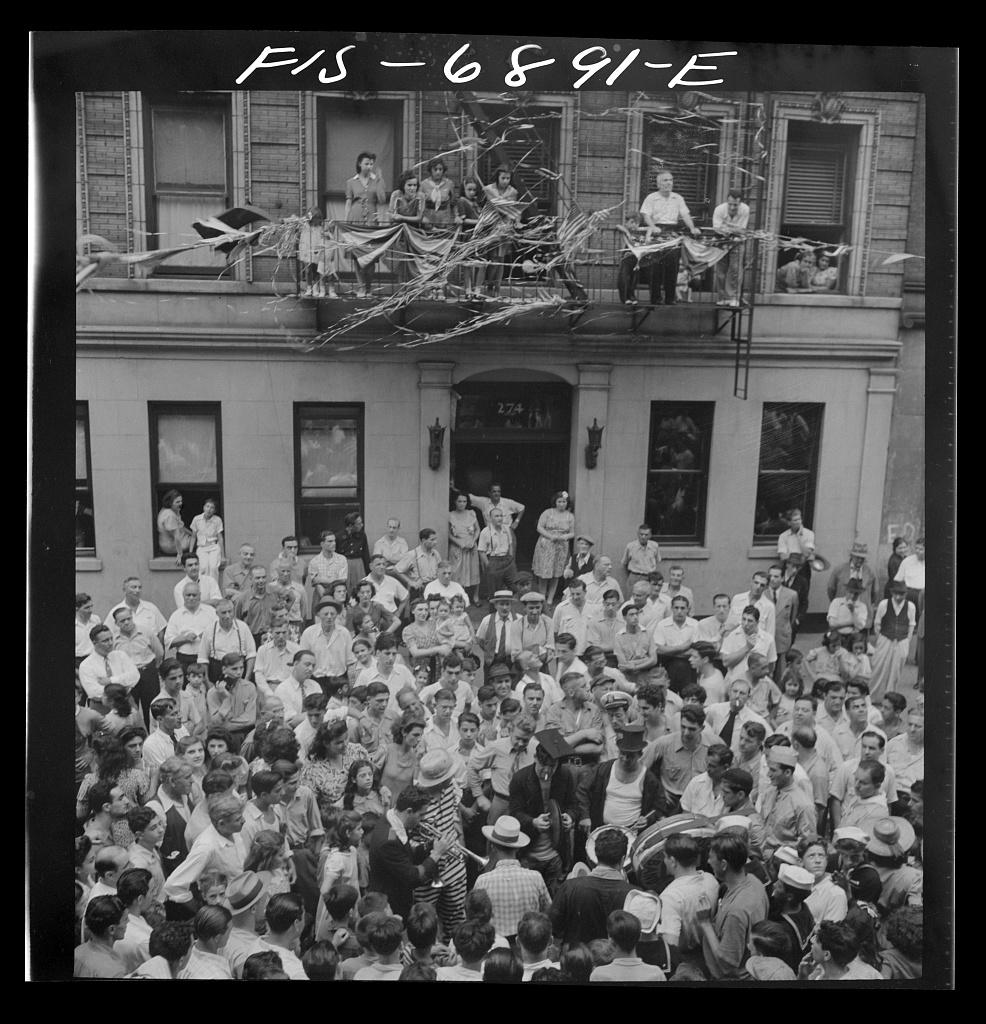
Il Canto degli Italiani, also known as Fratelli d’Italia, emerged from the movement for Italian independence and unification. Goffredo Mameli wrote the words, and Michele Novaro composed the music.
The Revolutionary Birth
The anthem was born during a tumultuous period in Italian history. In the autumn of 1847, a 20-year-old student named Goffredo Mameli penned the lyrics in Genoa. Italy at the time was not yet a unified nation but rather a collection of separate kingdoms and states, many under foreign control. The desire for independence and unification—known as the Risorgimento—was sweeping through the Italian peninsula.
Mameli, a patriot and poet, wrote the anthem as a rallying cry for Italian unity and independence. The opening words, "Fratelli d'Italia, l'Italia s'è desta" (Brothers of Italy, Italy has awakened), captured the revolutionary spirit of the time. Novaro set Mameli’s words to music in Turin.
The Lyrics and Their Meaning
The anthem consists of six stanzas, though typically only the first stanza and chorus are sung at official events. The lyrics are rich with historical and cultural references:
First Stanza:
Fratelli d'Italia,
l'Italia s'è desta,
dell'elmo di Scipio
s'è cinta la testa.
Brothers of Italy,
Italy has awakened,
bound with Scipio's helmet
upon her head.
The reference to Scipio Africanus, the Roman general who defeated Hannibal, connects modern Italy to its ancient Roman heritage and military prowess.
Chorus:
Stringiamci a coorte,
siam pronti alla morte.
Siam pronti alla morte,
l'Italia chiamò.
Let us unite in cohort,
we are ready to die.
We are ready to die,
Italy has called.
This powerful chorus emphasizes sacrifice and unity—themes that resonated deeply during the struggle for independence.
A Tragic Fate for the Young Poet
Tragically, Goffredo Mameli never lived to see his anthem become a symbol of a unified Italy. At just 21 years old, he died in 1849 from an infected leg wound sustained while defending the short-lived Roman Republic against French forces. His death made him a martyr for the cause of Italian unification, and his anthem lived on as his enduring legacy.
The Path to Official Recognition
While "Il Canto degli Italiani" was widely embraced during the Risorgimento and sung at patriotic gatherings throughout the unification process, it did not immediately become Italy's official national anthem. After unification in 1861, the "Marcia Reale" (Royal March) served as the kingdom's anthem.
It wasn't until 1946, when Italy became a republic following a referendum that ended the monarchy, that "Il Canto degli Italiani" was provisionally adopted as the national anthem. However, it received statutory recognition under Law No. 181 of December 4, 2017.
Cultural Significance Today
The anthem is performed at state ceremonies and many sporting and national events. When Italy's national soccer team takes the field, players and fans alike belt out the anthem with passion and pride. The anthem serves as a powerful reminder of Italy's journey from fragmented states to a unified nation.
For Italian Americans, the anthem represents a connection to their ancestral homeland. Many Italian American organizations begin their meetings and events with the singing of both the American and Italian national anthems, honoring their dual heritage.
A Living Legacy
Hearing the anthem with its nineteenth-century setting in mind can make its references clearer. Compare the original Italian text with a reliable translation and notice how its language of unity reflects the struggle for unification.
Resources for Learning More
If you'd like to hear the anthem performed, numerous excellent recordings are available online, from official state performances to passionate renditions at sporting events. Many Italian language courses also teach the anthem as part of cultural education, providing both the lyrics and historical context.
The Italian Presidency’s anthem history provides the text, historical background, and an account of its composition.