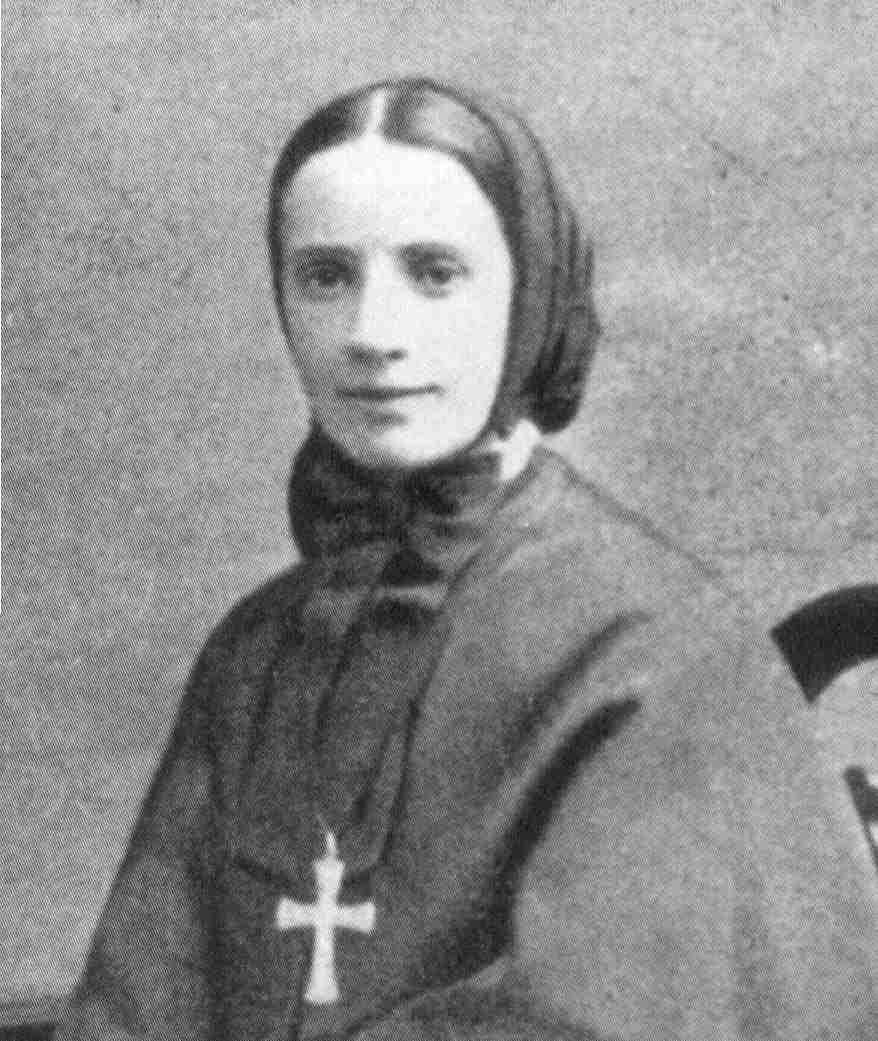
When Frances Xavier Cabrini arrived in New York harbor in 1889, she was a 39-year-old nun from Lombardy with instructions from Pope Leo XIII to serve the Italian immigrants already crowding the tenements of lower Manhattan. Over the next 28 years she founded 67 institutions across eight countries — hospitals, schools, orphanages — and in 1946, three decades after her death, she became the first American citizen canonized as a saint by the Catholic Church.
When Enrico Fermi walked into Pupin Hall at Columbia University in January 1939, he was a newly arrived refugee from Mussolini's racial laws, a Nobel laureate without a country. Three years later, on a squash court beneath the football stands at the University of Chicago, he achieved the first controlled nuclear chain reaction in human history — an experiment that remade the geopolitical order of the twentieth century and gave rise to the national laboratory system that still bears his name.
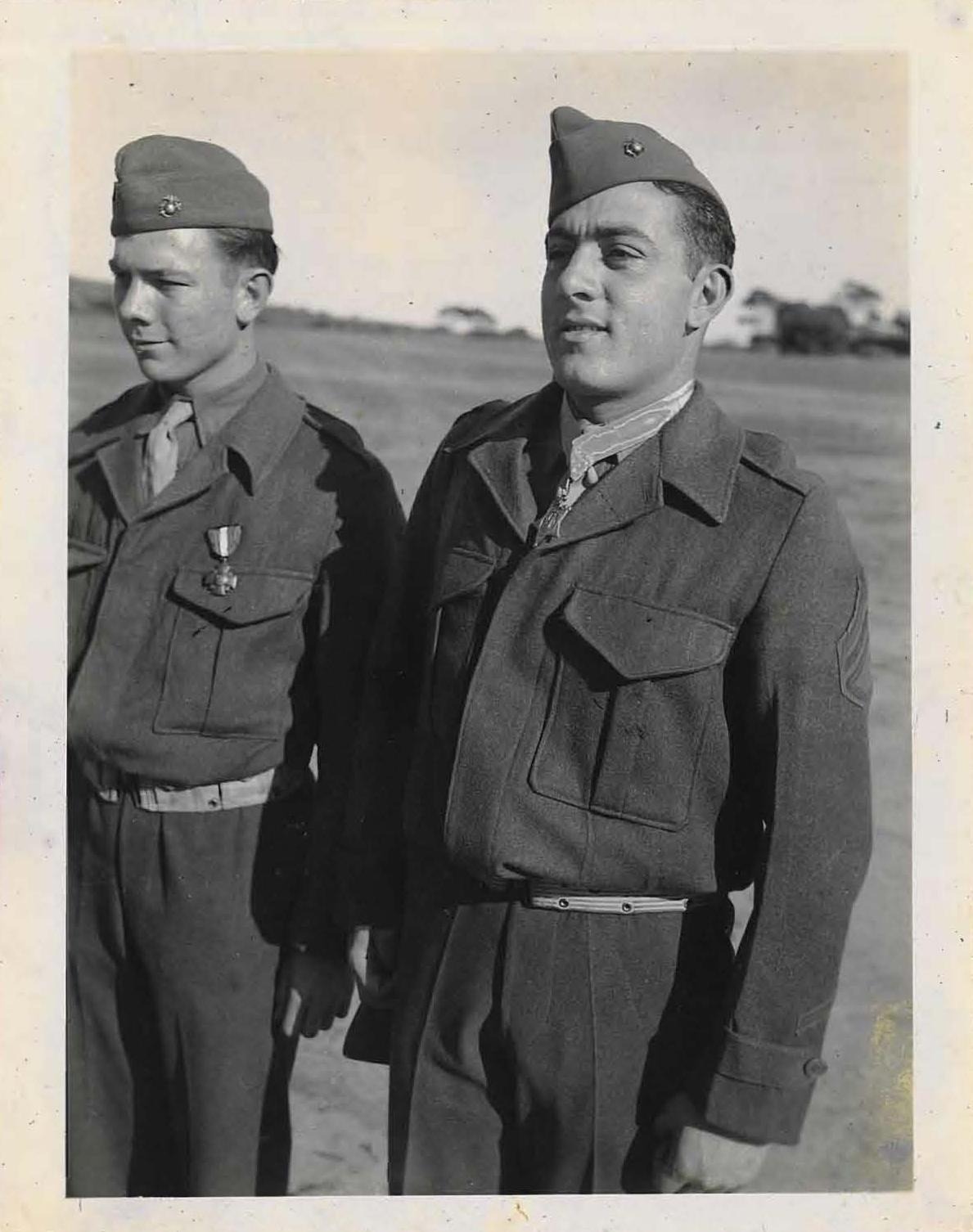
When John Basilone landed on Guadalcanal in October 1942, he was a 26-year-old machine gunner from a family of Neapolitan immigrants in Raritan, New Jersey. Over two nights of sustained Japanese assault, he held his position with such ferocity that he became the only enlisted Marine in World War II to receive both the Medal of Honor and the Navy Cross. He volunteered to return to combat and was killed at Iwo Jima on February 19, 1945. He was 27 years old.
These three figures — a saint, a physicist, and a sergeant — share nothing in common except ancestry and the fact that each one fundamentally altered the course of American life in their respective domain. They are representative of a pattern so broad, and so consistently underexamined, that it demanded a systematic accounting.
That is the work the Alghini Institute is now undertaking.
The Scope of the Record
The Institute has published a directory of 549 notable Italian Americans — immigrants to the United States and their American-born descendants — whose contributions to American life have been documented by authoritative biographical sources. Each entry is reviewed for inclusion by the editorial team; two-source verification of biographical claims is an ongoing process. The directory is organized across 18 fields of achievement, from politics and jurisprudence to science, military service, labor organizing, the visual arts, and the culinary traditions that reshaped how all of America eats.
The list is unranked. There is no number one. Entries are published only after human editorial review and require a minimum of two authoritative sources — the Library of Congress, Encyclopaedia Britannica, official government records, university biographies, major newspaper obituaries, institutional hall of fame records, and equivalent repositories. The full editorial methodology, including scope rules, source standards, and removal policy, is published separately.
The distinction between Italian Americans and Italians is maintained rigorously. Sophia Loren, Maria Montessori, and Leonardo da Vinci are not on this list — not because their contributions are in doubt, but because they were not Americans. This is a record of what Italian immigrants and their descendants built after they arrived, not a catalog of everything Italy ever produced. That distinction matters for scholarly integrity, even when it requires excluding celebrated names.
What follows is not a summary of the directory. It is an examination of what the directory reveals when 549 lives are considered together.
The Fields and What They Tell Us
What follows is not a summary of the directory. It is an examination of what the record reveals when 549 lives are considered together — across eight fields where the Italian American contribution has been systematic, sustained, and largely underexamined.
Italian Americans in Politics and the Law
The Italian American relationship with American governance is older than most people realize. Philip Mazzei, a Tuscan physician and horticulturist, was a neighbor and close friend of Thomas Jefferson in Virginia in the 1770s. His pamphlet declaring that all men are by nature equally free and independent was published in the Virginia Gazette in 1774, two years before the Declaration of Independence.
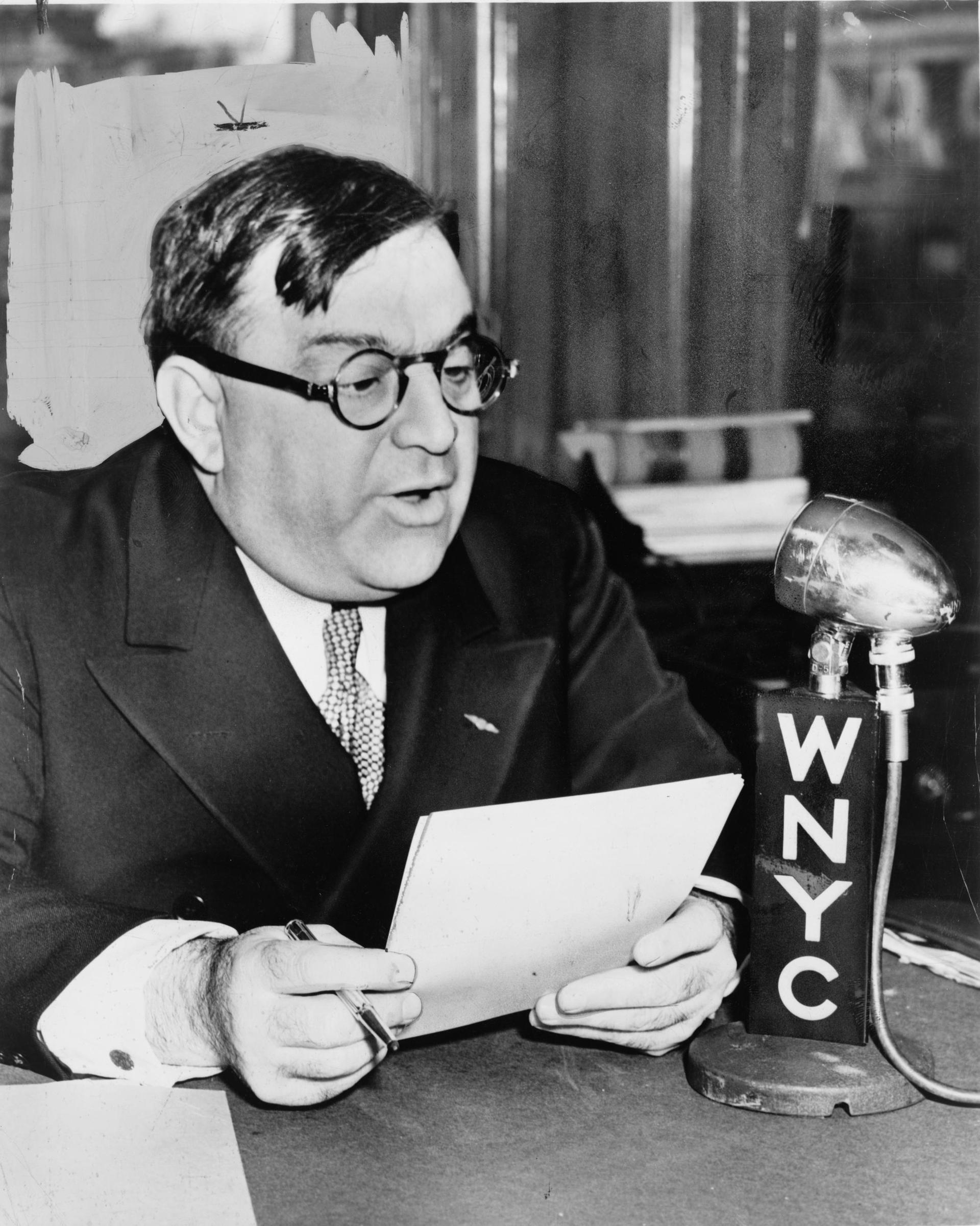
The modern political record begins in earnest with Fiorello LaGuardia, who governed New York City from 1934 to 1945 with a reformist energy that Time magazine later described as the greatest mayoralty in American history. He was followed by a succession of figures who reached the highest levels of American governance: John Pastore of Rhode Island, the first Italian American elected to the United States Senate; Ella Grasso of Connecticut, the first woman in American history elected governor in her own right; Geraldine Ferraro, the first woman nominated for the vice presidency by a major party; and Nancy Pelosi, the first female Speaker of the House.
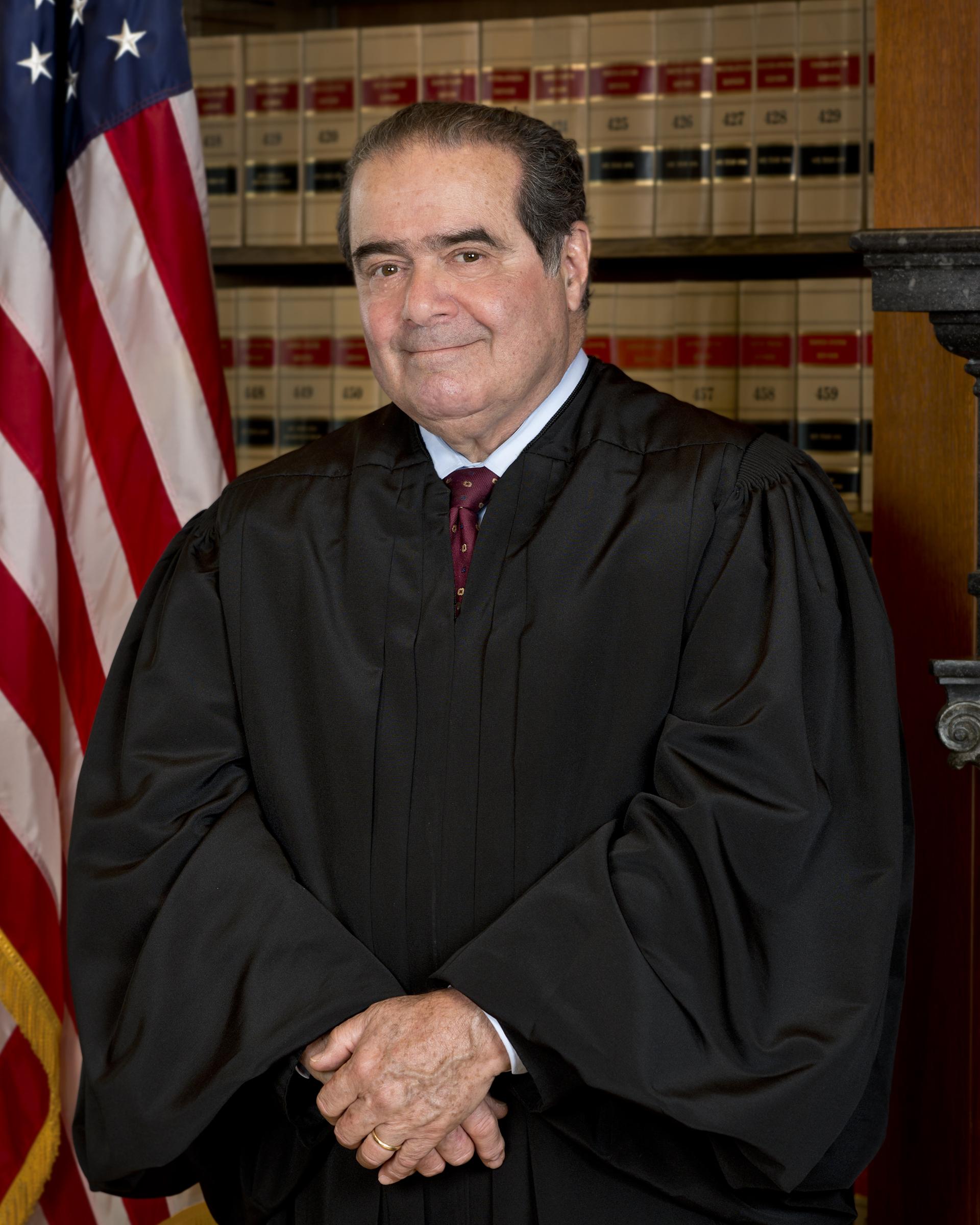
On the bench, Antonin Scalia served on the Supreme Court for 30 years and fundamentally reshaped American constitutional interpretation through the doctrines of originalism and textualism. John Sirica — known as "Maximum John" — presided over the Watergate trials, ordered the release of the White House tapes, and was named Time's Man of the Year in 1973. Peter Rodino chaired the House Judiciary Committee during the Nixon impeachment proceedings.
Leon Panetta's career deserves particular attention for its sheer range: United States Congressman, Director of the Office of Management and Budget, White House Chief of Staff, Director of the Central Intelligence Agency, and Secretary of Defense. It is difficult to identify another figure of any background who has held that breadth of senior federal appointments within a single career.
Italian Americans in Science, Medicine, and Technology
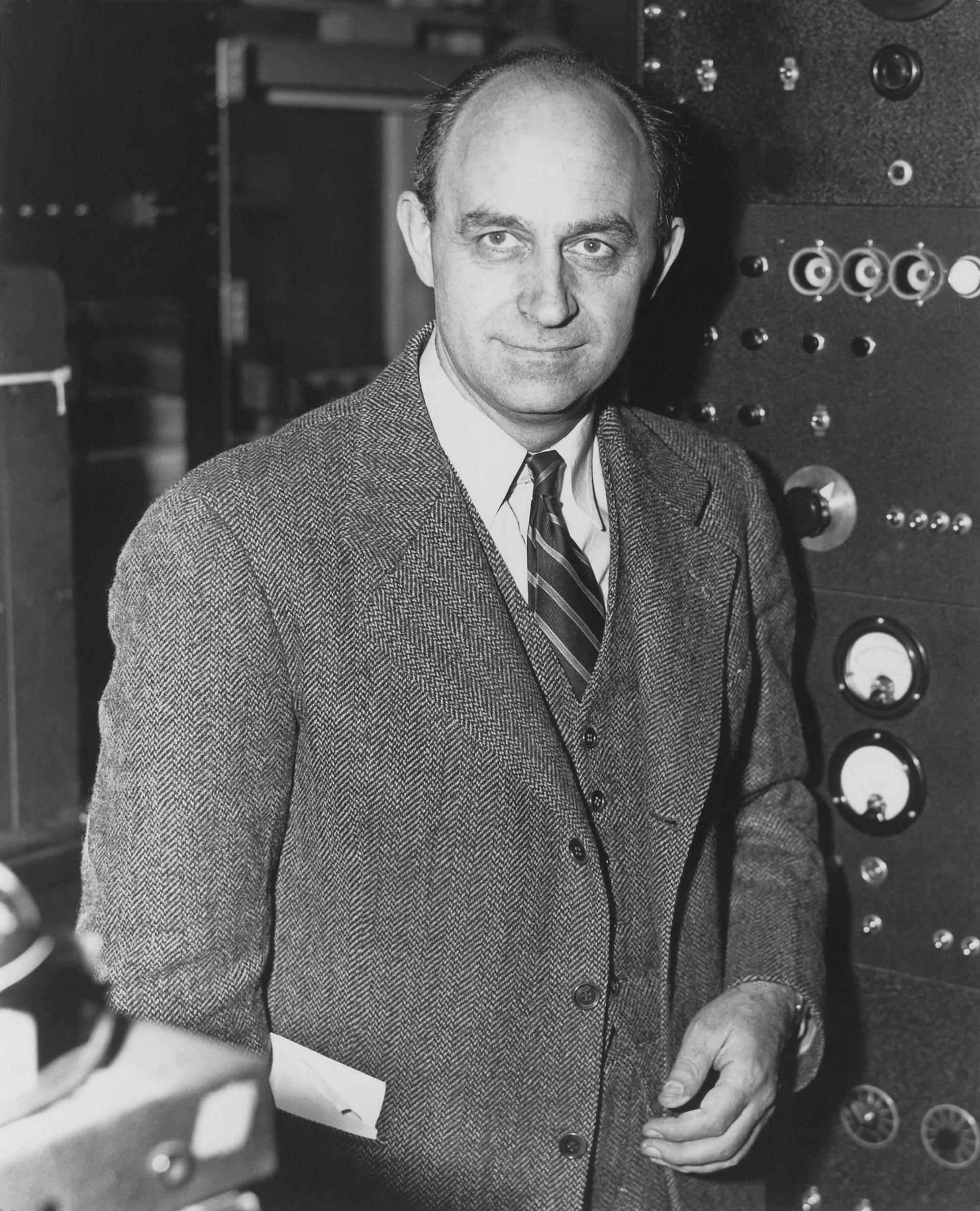
The Italian American contribution to the physical sciences begins with Fermi, but it does not end there. Emilio Segrè, another refugee from Mussolini's racial laws, co-discovered the antiproton and won the Nobel Prize in Physics in 1959. Salvador Luria won the Nobel Prize in Physiology or Medicine in 1969 for demonstrating the random nature of bacterial mutations. Mario Capecchi won the Nobel Prize in 2007 for developing gene targeting technology that transformed biological research worldwide. Riccardo Giacconi won the Nobel Prize in Physics in 2002 for founding the entire field of X-ray astronomy. Franco Modigliani won the Nobel Prize in Economics in 1985. Louis Ignarro won the Nobel Prize in 1998 for discovering nitric oxide as a cardiovascular signaling molecule, a finding that led directly to treatments for heart disease.
In technology, Federico Faggin designed the Intel 4004 in 1971 — the world's first commercial microprocessor. John Hennessy, who co-invented the RISC processor architecture, served as president of Stanford University.
In medicine, Anthony Fauci served as Director of the National Institute of Allergy and Infectious Diseases for 38 years, guiding the American public health response to HIV/AIDS, anthrax, Ebola, Zika, and COVID-19. Vincent DeVita developed the combination chemotherapy protocols that made Hodgkin's lymphoma a potentially curable disease. Robert Gallo co-discovered HIV as the cause of AIDS. And Frank Zamboni invented the ice resurfacing machine that became standard infrastructure for every ice rink on earth.
The Italian American Military Record
The Italian American military tradition is among the most distinguished and least discussed in American public life. During World War II, more than one million Italian Americans served, even as 600,000 Italian-born residents were classified as enemy aliens under Executive Order 9066.
The directory includes five Medal of Honor recipients. John Basilone's story has already been told above. Gino Merli received the Medal of Honor for killing 52 enemy soldiers in a single night at the Siegfried Line in September 1944. Vito Bertoldo held a defensive position in Alsace for more than 48 hours against overwhelming German forces. Anthony Casamento's Medal of Honor was delayed 39 years by bureaucratic failure before finally being presented in 1980. Don Gentile, a fighter ace with 23 aerial victories, was described by Dwight Eisenhower as a one-man air force.
Pete Pace, the son of Italian immigrants in Brooklyn, became the first Marine to serve as Chairman of the Joint Chiefs of Staff — the highest-ranking military officer in the United States.
Italian American Athletes
The directory's largest category, with 154 entries, reflects a tradition of athletic achievement that spans every major American sport.
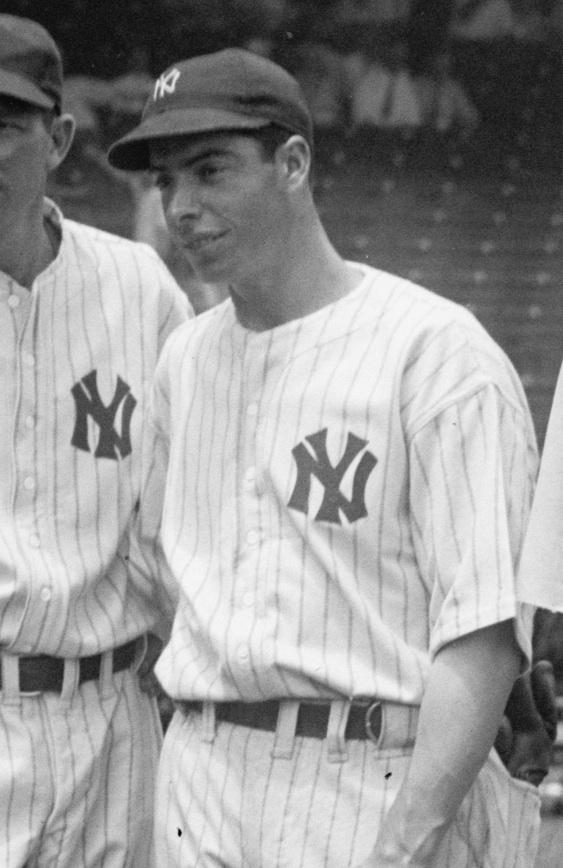
In baseball, the lineage runs from Tony Lazzeri — who drove in eleven runs in a single game in 1936, a record that stood for 81 years — through Joe DiMaggio, whose 56-game hitting streak in 1941 remains the most durable record in the sport, through Yogi Berra, who won ten World Series rings, through contemporary Hall of Famers like Mike Piazza. A. Bartlett Giamatti — a Renaissance literature scholar who served as president of Yale University — became Commissioner of Major League Baseball, a career trajectory without parallel in American institutional life.
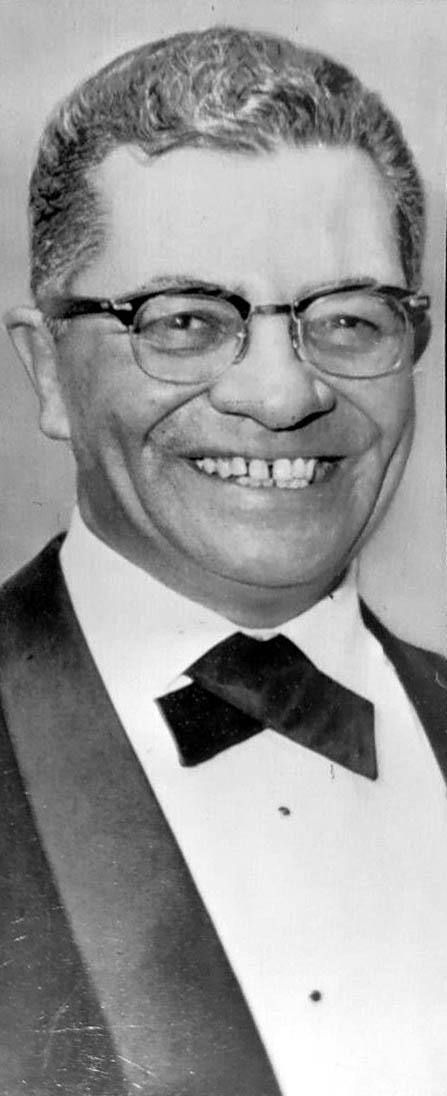
In football, Vince Lombardi coached the Green Bay Packers to five NFL championships and the first two Super Bowl victories; the championship trophy bears his name. Dan Marino and Joe Montana — both sons of Italian American families in western Pennsylvania — are among the most celebrated quarterbacks in the history of the sport. Nick Saban won seven national championships at the collegiate level.
In boxing, Rocky Marciano retired with a 49-0 record, the only undefeated heavyweight champion in the sport's history. Mario Andretti remains the only driver in history to have won the Formula One World Championship, the Indianapolis 500, the Daytona 500, and the Pikes Peak International Hill Climb.
Italian Americans in Film and Television
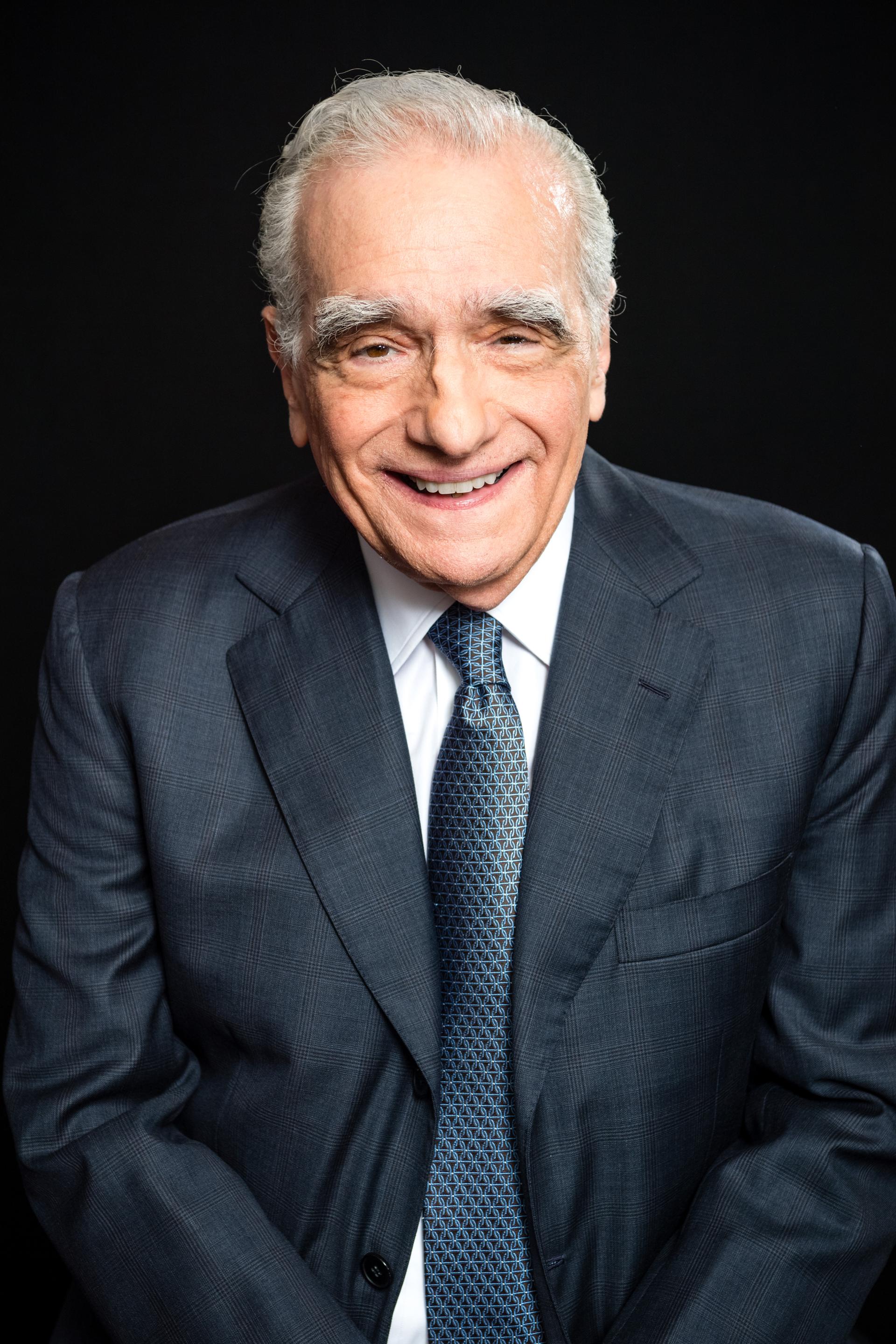
Italian Americans did not merely participate in American cinema. They defined its artistic ambitions. Francis Ford Coppola directed The Godfather and Apocalypse Now; Martin Scorsese directed Taxi Driver, Raging Bull, Goodfellas, and The Departed. Between them — alongside Brian De Palma and Quentin Tarantino — these filmmakers of Italian descent are responsible for a body of work that constitutes a significant portion of the American cinematic canon.
Al Pacino, Robert De Niro, Sylvester Stallone, and James Gandolfini — whose performance as Tony Soprano is widely regarded as the single greatest sustained performance in the history of American television — define the tradition in front of the camera. Penny Marshall became the first female director to gross over $100 million at the box office with Big in 1988. Joseph Barbera, born to Sicilian immigrants on the Lower East Side, co-created Tom and Jerry and The Flintstones.
The current generation includes Lady Gaga, a 13-time Grammy winner and Academy Award recipient, and Sebastian Maniscalco, whose comedy rooted in Italian American family culture made him the highest-grossing stand-up comedian in the country in 2023.
Notable Italian Americans in Music
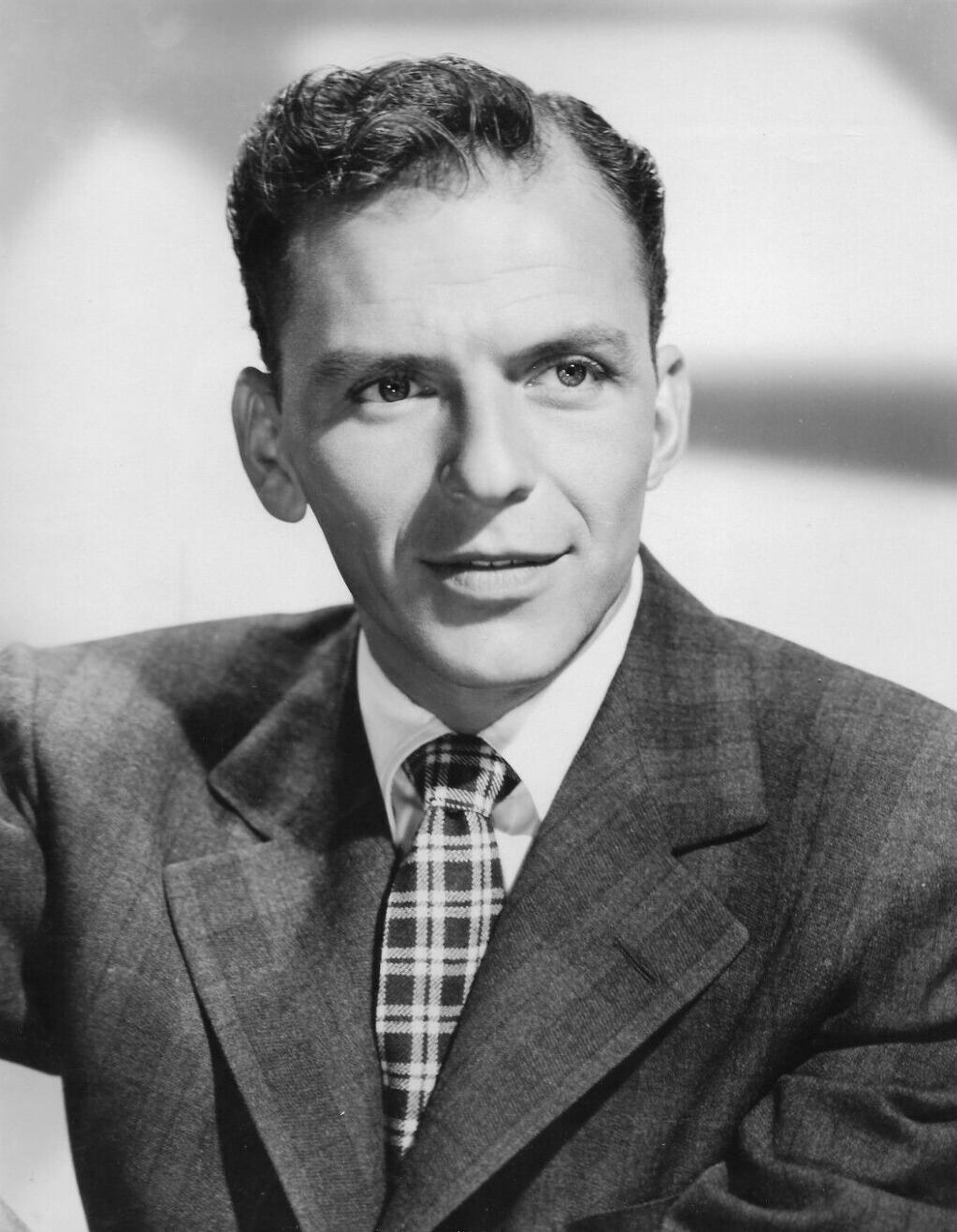
Frank Sinatra defined American popular song in the twentieth century. What the directory reveals is the depth behind him: Perry Como, who sold 100 million records; Tony Bennett, who won 20 Grammys and recorded until the age of 95; Dean Martin; Henry Mancini, who won four Academy Awards and twenty Grammys composing scores including Moon River; and Frankie Valli, whose Four Seasons sold over 100 million records.
The tradition extends backward to Nick LaRocca, whose Original Dixieland Jass Band made the first jazz recording in history in 1917, and forward to Bruce Springsteen, whose 20 Grammy Awards and Presidential Medal of Freedom place him among the most decorated musicians in American history.
Italian Americans in Arts and Literature
Constantino Brumidi spent 25 years painting the United States Capitol, including the Apotheosis of Washington in the Rotunda dome. Frank Stella shaped American abstract painting for six decades. Robert Mapplethorpe transformed photography into a fine-art discipline.
In literature, the tradition begins with Pietro di Donato's Christ in Concrete in 1939 and extends through Mario Puzo, whose The Godfather sold 21 million copies; Don DeLillo, the Bronx-born master of American postmodern fiction; Lawrence Ferlinghetti, who founded City Lights Bookstore and published Allen Ginsberg's Howl; Gay Talese, who alongside Tom Wolfe defined New Journalism as a literary form; and Diane di Prima, who served as Poet Laureate of California.
Italian Americans in Faith, Labor, and Community
Frances Xavier Cabrini was canonized. Cardinal Joseph Bernardin developed the Consistent Life Ethic — the "Seamless Garment" — that reshaped Catholic moral theology. Cardinal Francis Spellman served as Archbishop of New York for 28 years.
In the labor movement, Carlo Tresca organized coal miners and textile workers, led strikes, fought Mussolini's agents on American soil, and was assassinated on Fifth Avenue in 1943 — a murder that remains unsolved. Tony Mazzocchi of Bayonne, New Jersey, was instrumental in the legislative campaigns that created both OSHA and the Superfund law.
Italian American Business Leaders
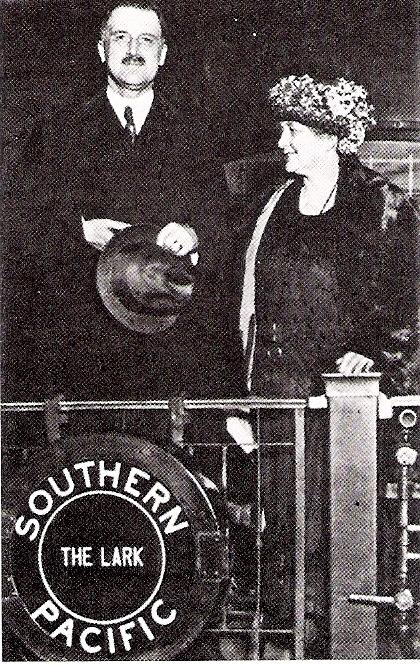
A.P. Giannini founded the Bank of Italy in San Francisco in 1904 to serve immigrants that established banks refused. It became Bank of America. Giannini also financed the construction of the Golden Gate Bridge and backed Walt Disney's Snow White when other financiers considered it a folly.
Lee Iacocca created the Ford Mustang and then saved Chrysler from bankruptcy. Kenneth Langone co-founded The Home Depot and donated $200 million to build what is now NYU Langone Medical Center. Lidia Bastianich, who emigrated from Istria, built a restaurant and media empire and became the most recognized ambassador of Italian cuisine in the United States.
What the Record Reveals
Certain patterns emerge when 549 lives are examined together. The first is geographic concentration: Italian American achievement is disproportionately rooted in the urban Northeast — New York, New Jersey, Connecticut, Massachusetts, Pennsylvania, Rhode Island — reflecting the settlement patterns of the great migration. But it is not confined there.
The second pattern is generational. The directory includes 66 first-generation immigrants. The majority of entries are second-generation Americans — the sons and daughters of immigrants — who represent the community's period of greatest institutional achievement.
The third pattern is the persistence of regional identity. Heritage regions — Sicily, Calabria, Campania, Abruzzo, Lazio, Lombardy, Veneto — are tracked in the directory because they mattered to the people themselves.
Standards and Participation
The editorial standards for this directory are published in full. Every entry is reviewed by a human editor before publication. Two-source verification of biographical claims is ongoing — 49 entries have completed that process so far, with the remainder in draft status awaiting review.
The directory is the first wave of what will be an ongoing expansion toward 1,000 figures. There are known gaps — in the representation of Italian American women, in figures from outside the Northeast, in the technology and engineering sectors, and in community leaders whose impact was regional rather than national.
The Institute invites nominations from the public. The process is straightforward: a full name, the person's primary field, a rationale of at least two sentences, and at least one authoritative source.
A Closing Observation
There is a version of Italian American history that begins and ends with the familiar images — the crooner, the ballplayer, the grandmother in the kitchen, the scene from the movie. Those images are authentic, and this directory contains the people behind them. But it also contains the physicist who split the atom, the nun who founded 67 institutions, the sergeant who held the line at Guadalcanal, the governor who proved a woman could win on her own name, the Brooklyn-born immunologist who spent 38 years preparing a nation for diseases it had not yet encountered, and the immigrant from Istria who won every major motor race on earth.
The breadth of Italian American contribution to this country is not a matter of ethnic pride, though pride is a reasonable response to the record. It is a matter of historical completeness. A version of the American story that does not account for these 549 lives — and the thousands more who will eventually join them — is an incomplete version.
The directory is published. The record is open. The work continues.
The Notable Italian Americans directory is a program of the Alghini Institute for Italian Americans (AIIA), a 501(c)(3) nonprofit organization. Explore the full directory → · Read the methodology → · Nominate a figure →