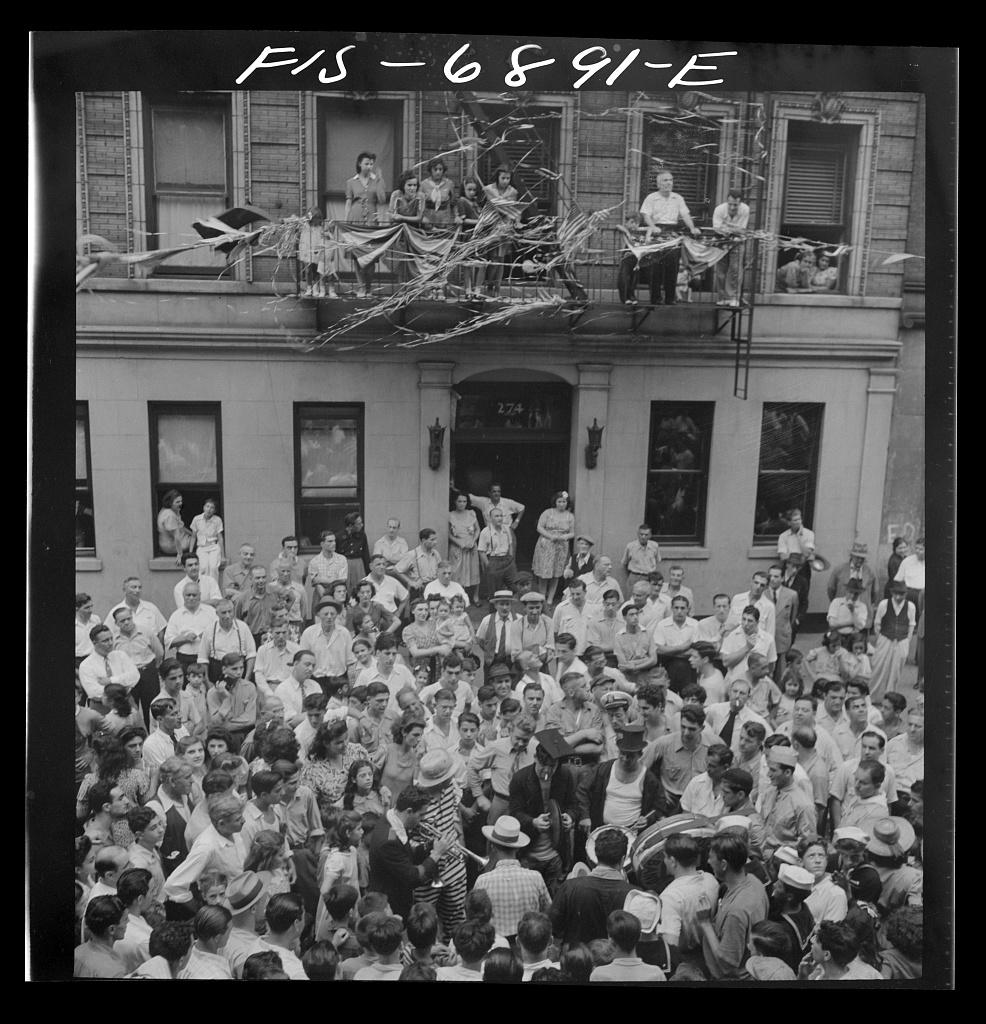
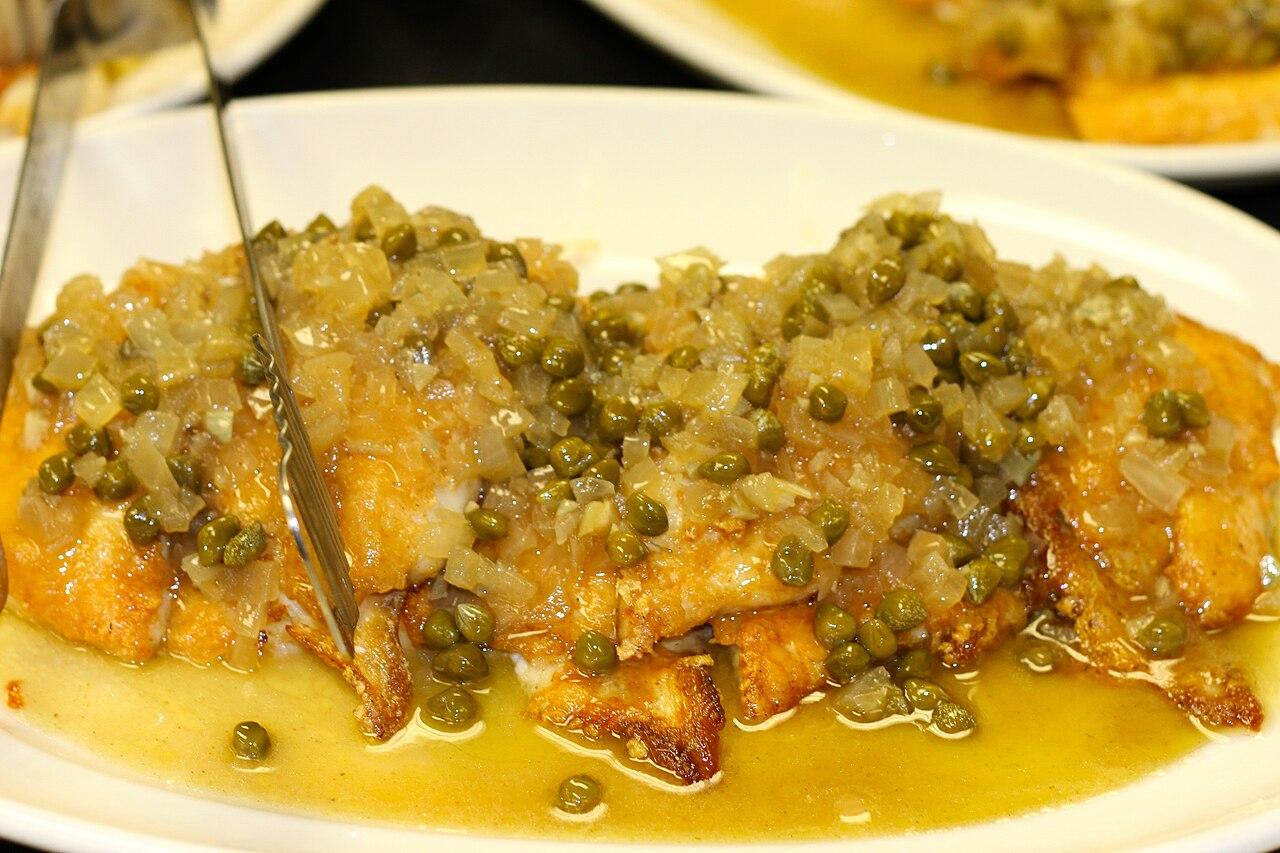
We welcome guest contributions about Italian American life: family stories, recipes, history, culture, and thoughtful personal essays.
Why Guest Posts Matter
Italian American experiences differ by family, region, generation, and community. A guest essay can add a perspective our existing articles have not covered.
What We Are Looking For
You do not need to be a professional writer. You need to have something to say and the willingness to say it honestly. Here are some categories and ideas to get you thinking.
Recipes and the Stories Behind Them
Tell us about a dish your family makes, who taught you, and what has changed over time. An unusual ingredient or a disagreement about the recipe can be part of the story if it matters to you.
Write about the food, yes, but write about what surrounds it. Who taught you? What do you remember about learning? What does it taste like to you, beyond the ingredients?
Some ideas to spark your thinking:
Other starting points include a birthday dish, a recipe recovered from a relative’s notes, holiday foods, or your first attempt to cook a family recipe.
Family History and Immigration Stories
Your family's journey to America is unlike anyone else's. Maybe you have heard the story a hundred times at the dinner table. Maybe you have barely heard it at all and have been piecing it together. Either way, it matters.
Consider writing about where your family came from and what you know about why they left. The neighborhood they settled in when they arrived. Objects, photos, or documents that have been passed down. What was lost in translation between generations. A trip back to the old country, or the desire to make one.
What It Means to Be Italian American Today
Identity is complicated, and Italian American identity is no exception. There is a space here for thoughtful essays about what this heritage means to you right now, not just what it meant to your grandparents.
Think about how you navigate Italian American identity in your daily life. The stereotypes you are tired of and the ones that make you laugh. How your relationship with our heritage has changed as you have gotten older. Raising children with Italian American traditions in a world that looks very different. The intersection of Italian American culture with other parts of your identity.
Culture, Art, and Traditions
We also welcome writing about music, literature, film, language, festivals, and other parts of Italian American life.
Music, from opera to Italian American contributions to jazz and rock. Film and television, both the good representations and the frustrating ones. Literature by Italian American authors. Regional traditions, festivals, and saints' days. Language, whether you speak Italian fluently or are trying to learn, or mourn the dialect that your family lost.
Places That Matter
Geography shapes culture. If there is a place that is central to your Italian American experience, tell us about it.
The neighborhood you grew up in. An Italian American business that shaped your community. A church, social club, or gathering place. A bakery, deli, or restaurant that was more than just a place to eat. The town in Italy your family came from, whether you have visited or only imagined it.
What a Submission Looks Like
Keep it straightforward. Here is what we need from you:
Your name and a short bio, just a few sentences about who you are. A title for your piece. The post itself, written in your own voice, at least 500 words. We will work with you on editing, so do not worry about perfection. Photos are welcome but optional. Include photographs you own or have permission to publish, with captions and credit information.
We review every submission personally. If we plan to publish your piece, we will reach out via email to discuss any edits and confirm details. Our goal is to preserve your voice while ensuring clarity for our readers.
A Few Things We Should Be Honest About
We reserve the right to edit submissions for grammar and clarity, but we will never change your meaning or voice without discussing it with you first. Not every submission will be published, but every submission will be read. We are a small operation, so please allow us 5 to 7 business days to respond. We are currently accepting submissions from writers located in the United States.
How to Submit
Visit our Guest Blog Submission Page and fill out the form. It takes about ten minutes if you have your post ready to go.
One Last Thing
An everyday detail can be a good place to begin: a family expression, an object you have kept, or a custom you remember. Explain why it matters to you.
Your account may help another reader recognize a familiar experience or learn about one that differs from their own.
So write something. It does not have to be perfect. It just has to be true.
We will be here, reading.