Recording a story is a first step toward preserving it. Keep original files and independent backups.
Christopher Alghini · Director, Alghini Institute · March 16, 2026
Tags: Immigration · Family · Tradition · Identity
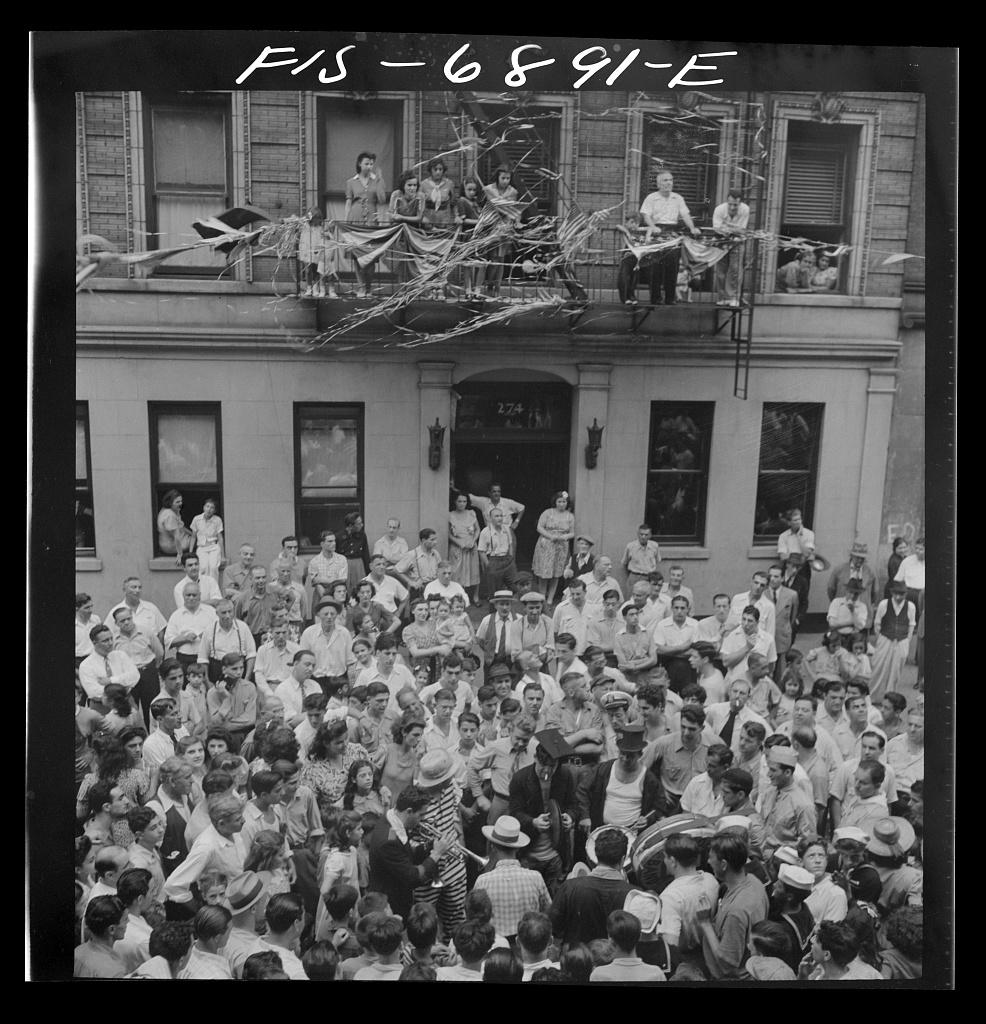
For generations, the stories of Italian-American families have lived in kitchens, at Sunday dinner tables, and in the memories of grandparents who crossed an ocean to build something new. Too often, those stories disappear when those voices do.
I set out to change that — and I built the foundation in about 10 hours.
Preserving oral history is hard. It requires recording, transcription, organization, and presentation — each step traditionally demanding significant time, technical expertise, and resources. Community organizations and families rarely have all three. I wanted to make recording, transcribing, and organizing a family story easier.
The Prototype in March 2026
At the time of this March 2026 development update, the recording and transcription workflow was working, while public access and review tools were still being developed. The prototype recorded audio in the browser, produced an automatic transcript for review, and generated a narrative summary alongside the transcript.
The prototype also extracted key details — names, locations, dates, themes — and organized them as structured data. Each story was paired with photography selected according to story content. The publishing workflow was designed to make finished stories accessible through a public gallery.
In this March 2026 update, I described the core journey from recording to searchable heritage content as working. We had tested it, and I found the results moving.

The platform's prompt interface guides storytellers with thoughtful questions — from immigration history to neighborhood memories — before they record.
What Remained to Be Built in March 2026
Public submissions were not yet open in March 2026. Authentication and the administrative tools for reviewing, editing, and publishing stories were still being developed.
The March 2026 Technology Stack
I used AI pair programming to develop and revise the interface, storage, and publishing workflow.
OpenAI Whisper handles transcription, converting spoken Italian-American stories into clean, accurate text. GPT-4 generates narrative summaries, extracts structured metadata — people, places, themes — and identifies the geographic and cultural context of each story. An AI-assisted Pexels integration finds visually resonant photographs that complement each story's content and setting.
AI pair programming supported the database schema, backend functions, frontend interface, storage policies, and deployment pipeline.
Why the Number Matters
The initial build took about 10 hours. That experience suggests a way for small organizations to begin experimenting with tools they can refine over time.
The Stakes
About 16.3 million U.S. residents reported Italian ancestry in the 2024 American Community Survey one-year estimates. Their collective history — the immigration stories, the labor movements, the family sacrifices, the cultural contributions — represents an irreplaceable part of American identity. Family memories can be lost if they are not recorded or passed on.
AI-powered tools like this platform offer a path to close that gap. Not by replacing the human work of remembrance, but by making it easier, faster, and more lasting.
Later Updates
For current information about the heritage archive, see the community page. If your organization works with Italian-American communities and wants to discuss the project, reach me at salve@italianamericans.com.
Recording a story is a first step toward preserving it. Keep original files and independent backups.