A performance ends, but something may remain: a film, a recording, a theater program, a photograph or a page of business correspondence. Those objects let later audiences encounter the work and ask how it was made. They also leave gaps. A recording cannot recover everything that happened in a room, and a catalog entry cannot tell every part of a life.
Martin Scorsese, Anne Bancroft, Louis Prima and Tony Bennett offer four starting points for exploring that recorded past. Their careers span directing, acting, bandleading and singing. Their Italian American backgrounds are documented in the institutional sources below; ancestry alone does not explain their artistic choices.
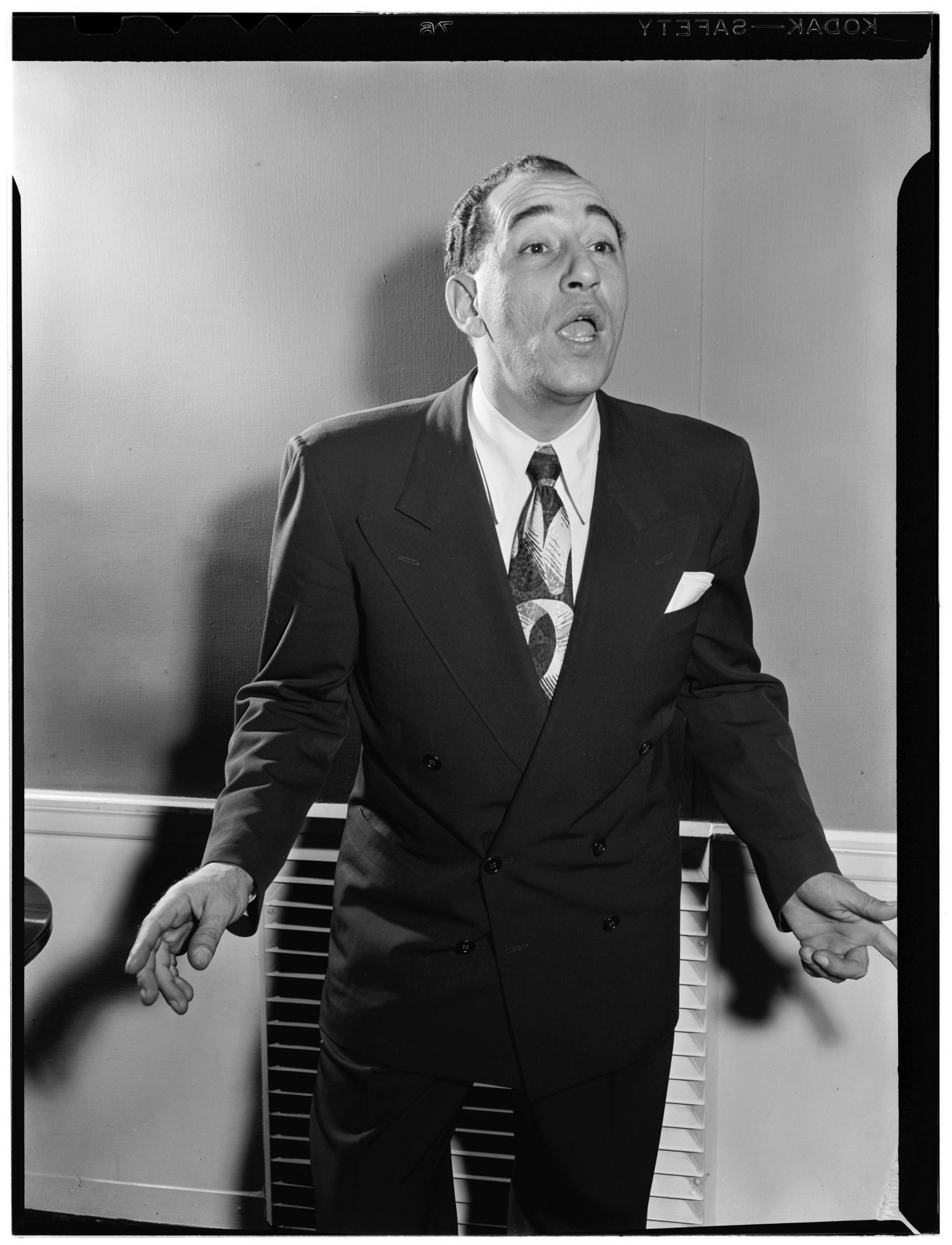
Hero photograph: Louis Prima, 1947, by William P. Gottlieb. The complete archival portrait introduces one of the four people explored here.
Martin Scorsese: making films and keeping films available
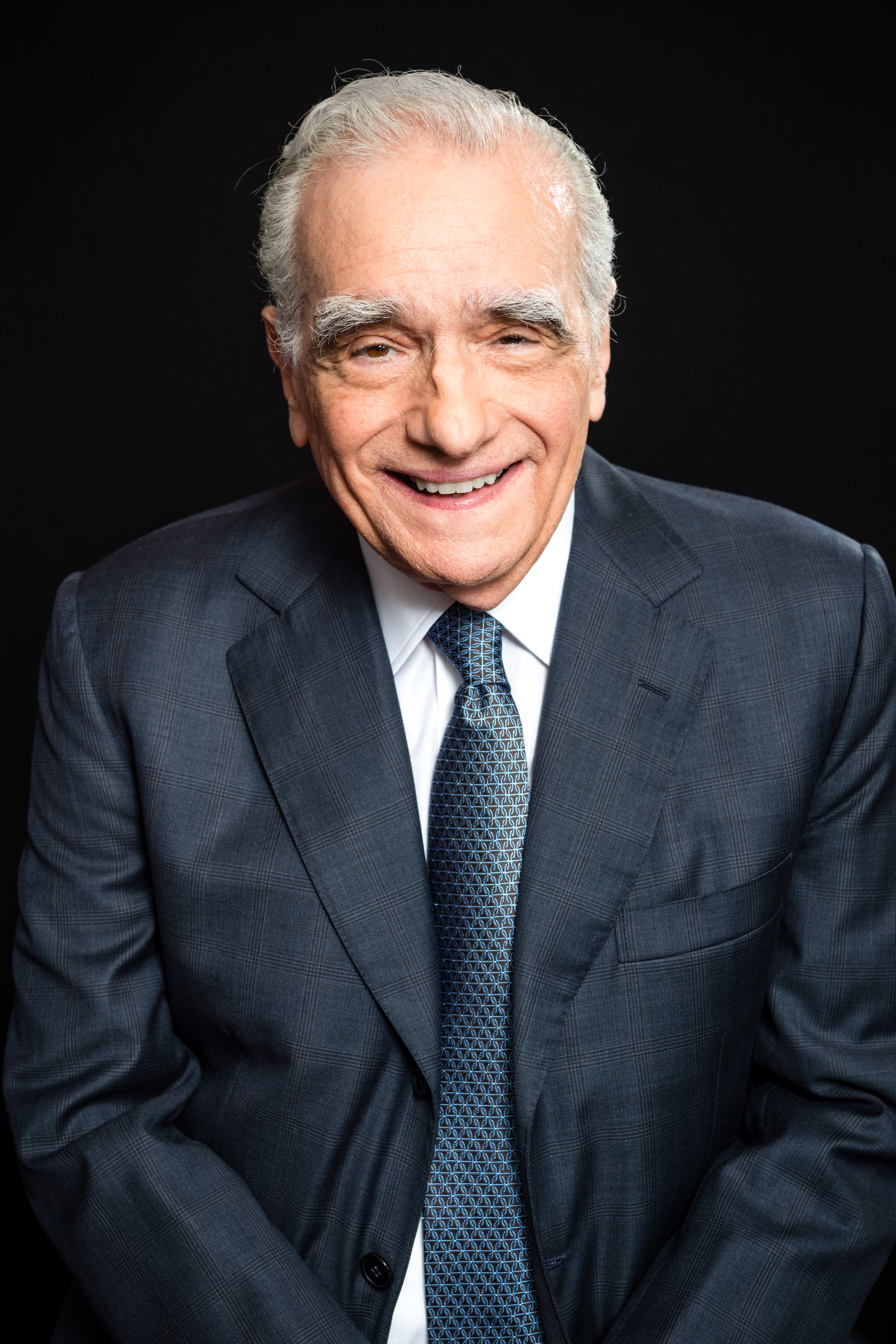
Scorsese grew up in an Italian American family in New York's Little Italy. His 1974 documentary Italianamerican features his parents, bringing family voices into a film record. The Praemium Imperiale biography and chronology document both that background and the documentary.
His preservation work takes the question beyond his own films. Scorsese founded The Film Foundation in 1990. The nonprofit works with archives and studios to preserve motion-picture history and make restored films accessible through programming at festivals, museums and educational institutions. That is a continuing organizational effort, with many collaborators, rather than a promise that any particular film is freely available online. (The Film Foundation)
The connection invites two kinds of looking: consider what a filmmaker records, then ask what enables later viewers to see it. Visit Scorsese's directory profile for a sourced introduction to his work.
Anne Bancroft: one role, different kinds of evidence
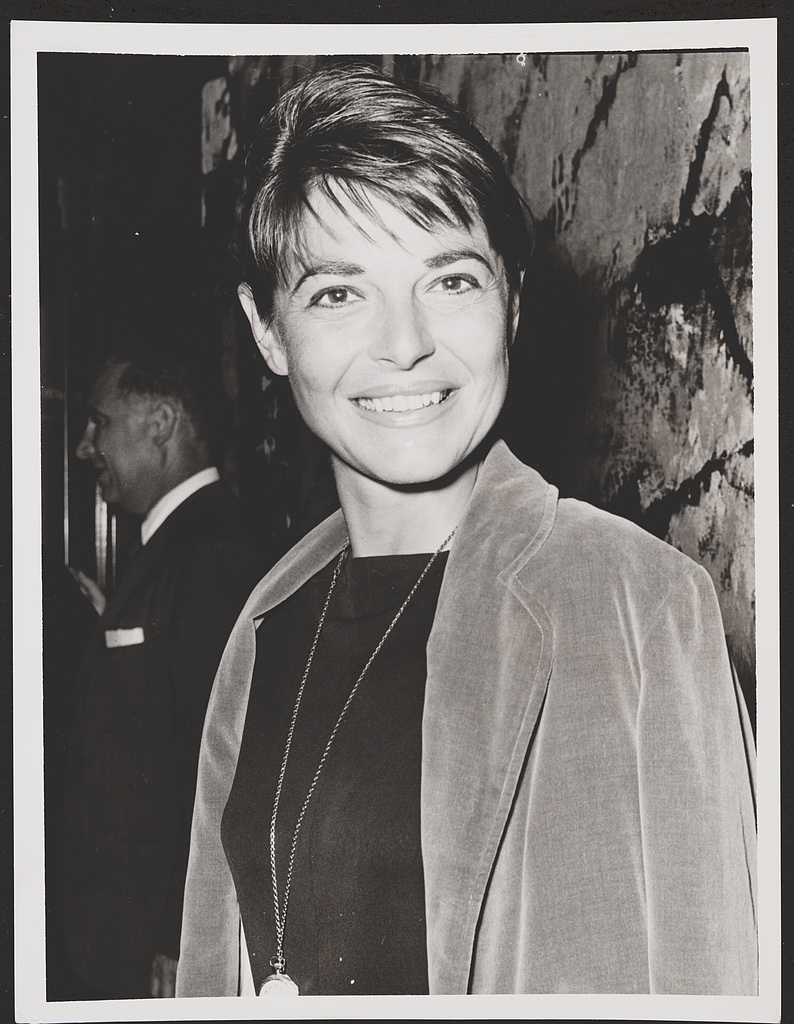
Bancroft's work crossed theater, film and television. The Museo Italo Americano's cinema exhibition booklet, in its section “A Woman of Many Parts,” identifies her as Italian American. The American Academy of Dramatic Arts, where she studied, describes her training and career across those media.
Her portrayal of teacher Annie Sullivan in The Miracle Worker provides a useful comparison. Bancroft won a Tony for the stage work in 1960 and the Academy's Actress award for the film at the 1963 ceremony, which honored films released in 1962. Those dates describe different events. (Tony Awards, Academy Awards)
A film adaptation is not a recording of a Broadway performance. A stage program, an award record and the released film answer different questions about the role. Read Bancroft's directory profile, then notice which medium a source actually describes.
Louis Prima: the archive around the music
Prima was a trumpeter, singer and bandleader from New Orleans. In Tulane University's account of his papers, Hogan Archive curator Melissa A. Weber connects his Italian American upbringing with the city's jazz traditions. His recordings also document collaboration: Prima and Keely Smith jointly won the 1959 Grammy for Best Performance by a Vocal Group or Chorus for “That Old Black Magic.” (Recording Academy)
The Louis Prima papers at Tulane extend beyond the sound of a record. They include correspondence, business papers, sheet music, photographs, publicity and audiovisual material. A Tulane Libraries report describes students using those primary sources in workshops. The collection offers a way to investigate the work surrounding a musical career, including its organization and presentation.
Start with Prima's directory profile and Tulane's current Special Collections page. Research access and permission to republish an archive's images or recordings are separate questions.
Tony Bennett: a recording and its later recognition
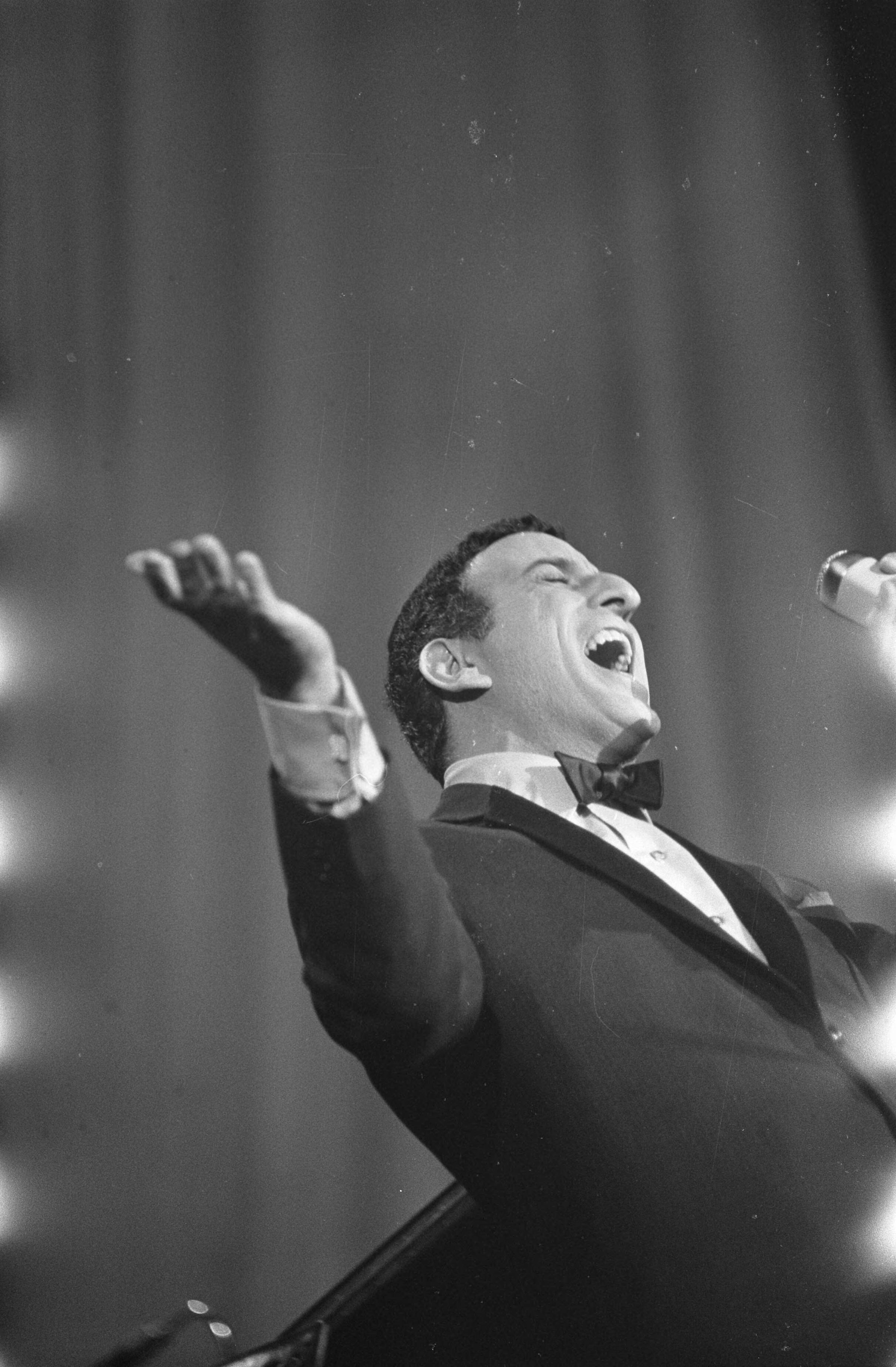
Bennett was born Anthony Dominick Benedetto in Queens. A Library of Congress concert program, on PDF page 15, describes his father as an Italian-born immigrant. The National Endowment for the Arts biography traces his singing career and identifies him as a 2006 NEA Jazz Master. It records his interest in jazz and his collaborations with musicians including Count Basie and Bill Evans.
His 1962 recording of “I Left My Heart in San Francisco” supplies another kind of record. The Library of Congress lists it in the National Recording Registry's 2017 class. The recording year and registry class are decades apart; they should not be substituted for one another. (Official registry list by induction year)
Explore Bennett's directory profile with that distinction in mind: making a work, releasing it and recognizing it later are different parts of its history.
Try it: make a small record of your own research
Choose one work or archival item associated with these four people. You can begin with a catalog description; you do not need to purchase a recording or travel to an archive.
- 1.Identify it. Write down the performer or creator, title, medium and institution or publisher. Save the source link and any collection or item identifier.
- 2.Separate the dates. Label a performance or recording date, release date and later award or registry date individually. Write “not established” where the source leaves a gap.
- 3.Describe the evidence. Is it the work itself, a program, correspondence, a biography or a later catalog entry? Note one thing it establishes and one question it leaves open.
- 4.Record access and reuse terms. A description may be online while the item requires an appointment. Availability for study does not by itself establish permission to republish it.
You can apply the same questions to a family recording you are entitled to use. Ask the contributor to identify the people, occasion and approximate date, preserve uncertainty in the description, and agree on access before sharing it. For physical film, The Film Foundation's preservation guidance offers a starting point for learning about masters, copies and archival storage.
These four careers connect public achievements with the evidence that survives them. Following that evidence is a practical way to move from a familiar name to a more precise history. Continue with the Notable Italian Americans directory or the Italian American history guide.
Scope: this editorial selection is an introduction to four careers, not a ranking or a complete history of Italian Americans in the arts. Links identify sources and research starting points; they do not imply institutional affiliation or endorsement. No lyrics, scripts or performance media are reproduced. The hero and supporting photographs show the four subjects. Their item records, creators and reuse terms are credited separately.