Before Yogi Berra became a baseball legend, he was a young Navy sailor off the coast of Normandy. Before Tony Bennett filled concert halls, he served with the U.S. Army in Europe. And before anyone knew the name John Basilone beyond his fellow Marines, he was helping hold a hard-pressed defensive position on Guadalcanal.
Their stories are different, but they share a place in the history of Italian Americans who answered the call to serve. Some became famous because of their military service. Others became familiar names in sports, entertainment, or public life, while their years in uniform faded into the background.
On Veterans Day, we honor all who served in the United States Armed Forces, not only those who received decorations or whose names appear in history books. These documented stories are a starting point, not a complete account of Italian American military service.
Four extraordinary records of courage
John Basilone: Guadalcanal and a return to combat
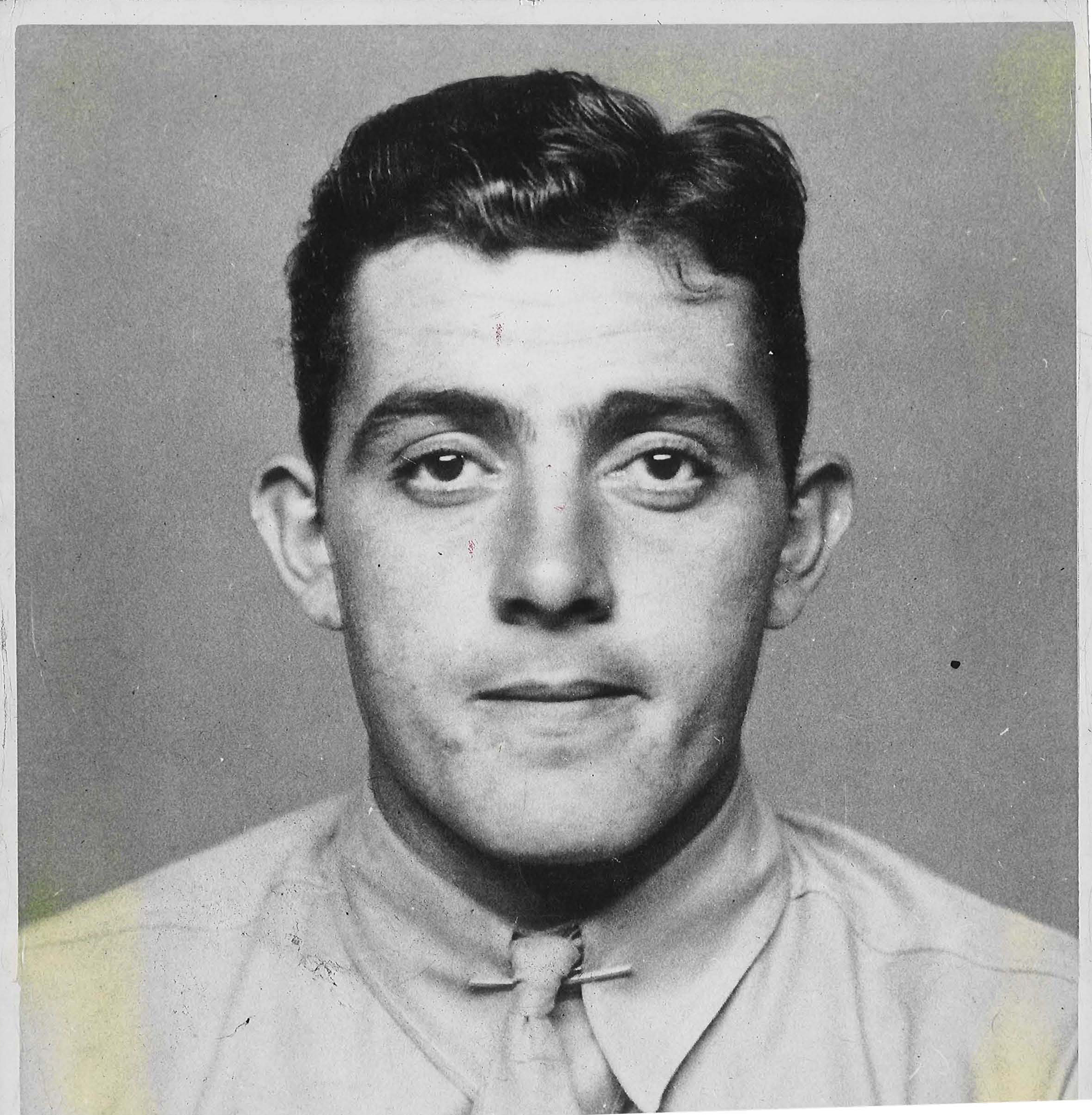
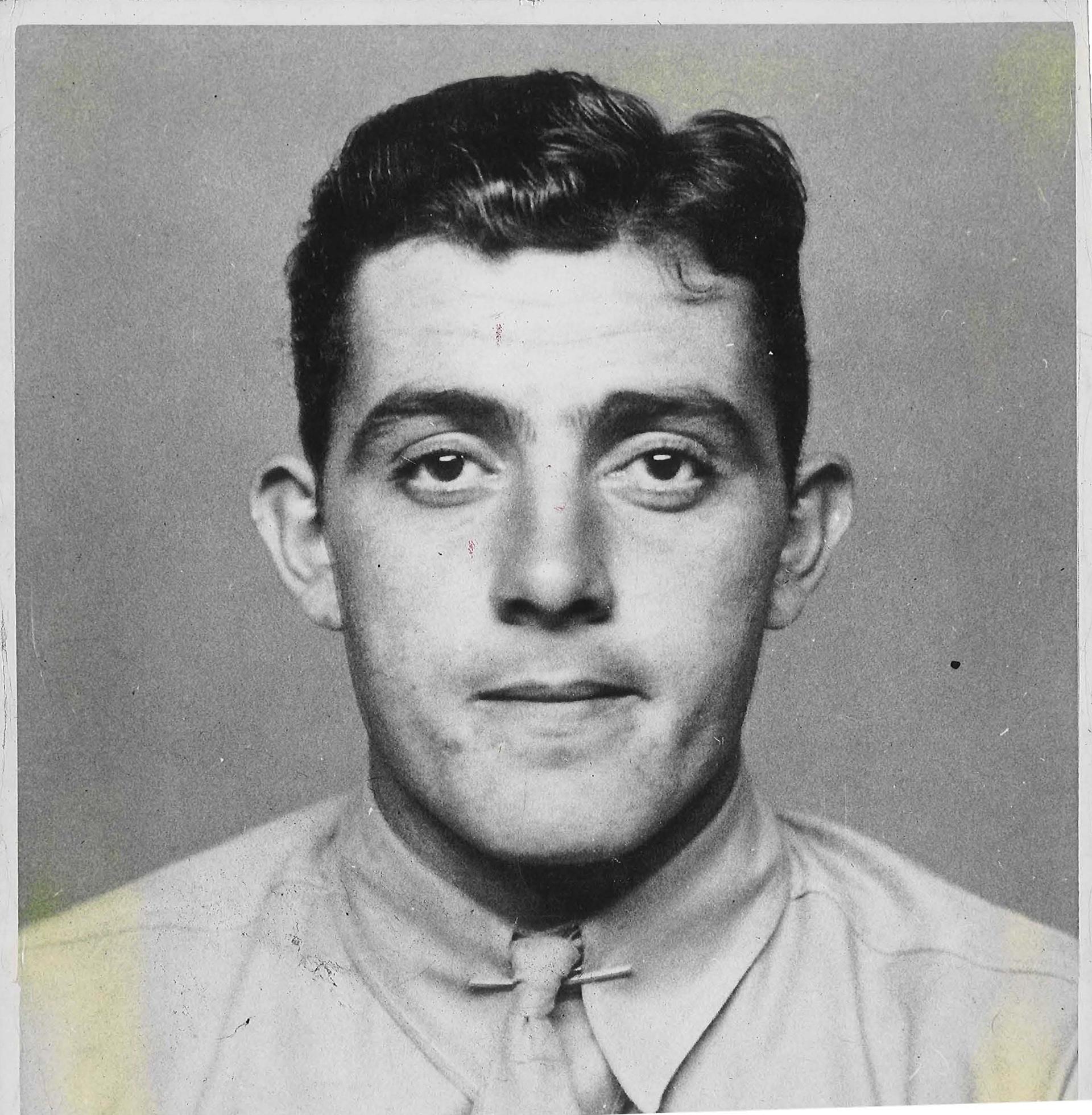
John Basilone, the son of an Italian immigrant father, grew up in Raritan, New Jersey. He served in the Army before joining the Marine Corps in 1940. On the night of October 24–25, 1942, during the Battle of Guadalcanal, he kept his machine-gun positions operating despite severe losses and enemy attacks. His actions earned the Medal of Honor.
After returning to the United States, Basilone sought a return to combat rather than remaining on a war-bond tour. He was killed during the landing on Iwo Jima on February 19, 1945, and received the Navy Cross posthumously. His wife, Lena Mae Riggi Basilone, was herself a Marine. Their family story reminds us that military service often reaches far beyond one person in uniform.
Sources: Naval History and Heritage Command · Congressional Medal of Honor Society · Arlington National Cemetery
Anthony Casamento: Recognition decades after Guadalcanal

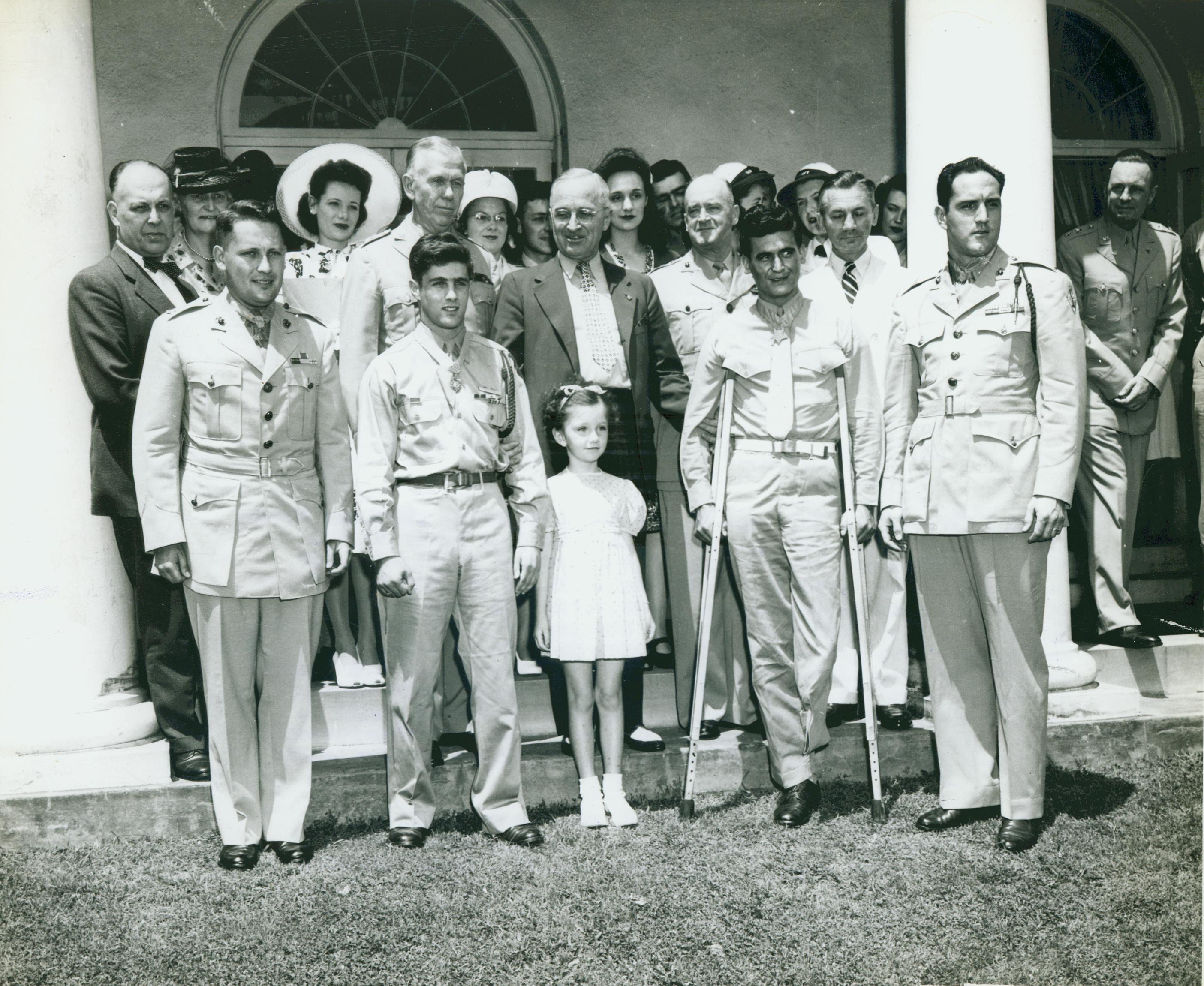
Anthony Casamento was another Marine serving on Guadalcanal in 1942. On November 1, as a machine-gun section leader near the Matanikau River, he continued to defend his position after members of his unit had been killed or wounded and he had suffered serious wounds himself. President Jimmy Carter presented him with the Medal of Honor in 1980, nearly 38 years after the action. His record is also a reminder that recognition is not always immediate.
Source: Congressional Medal of Honor Society
Gino Merli: Holding a position in Belgium
Near Sars-la-Bruyère, Belgium, on September 4–5, 1944, Gino Merli, a U.S. Army machine gunner, remained at his post while his company's position was overrun. His Medal of Honor citation recounts how he twice escaped capture by pretending to be dead, then resumed firing. His determination helped enable the American counterattack and is preserved in the official citation rather than simply in later retellings.
Source: Congressional Medal of Honor Society
Vito Bertoldo: The defense at Hatten

During the Battle of Hatten in Alsace, France, on January 9–10, 1945, Vito Bertoldo defended two command posts while American units faced repeated German attacks. His Medal of Honor citation describes more than 48 hours of resistance, including covering the withdrawal of fellow soldiers. Bertoldo's story is one of remarkable endurance and responsibility for those fighting alongside him.
Source: Congressional Medal of Honor Society
Familiar names, less familiar years in uniform
Yogi Berra: A sailor on D-Day

Many Americans know Yogi Berra for his New York Yankees championships and unforgettable turns of phrase. Fewer know that Lawrence Peter Berra enlisted in the Navy at 18 and took part in the Allied invasion of Normandy on June 6, 1944. The Department of Defense describes his service on an amphibious craft near Utah Beach, providing supporting fire as troops went ashore. The baseball career came afterward. His place in the Normandy story deserves to be remembered alongside his place in Cooperstown.
Source: Naval History and Heritage Command
Tony Bennett: Soldier before singer
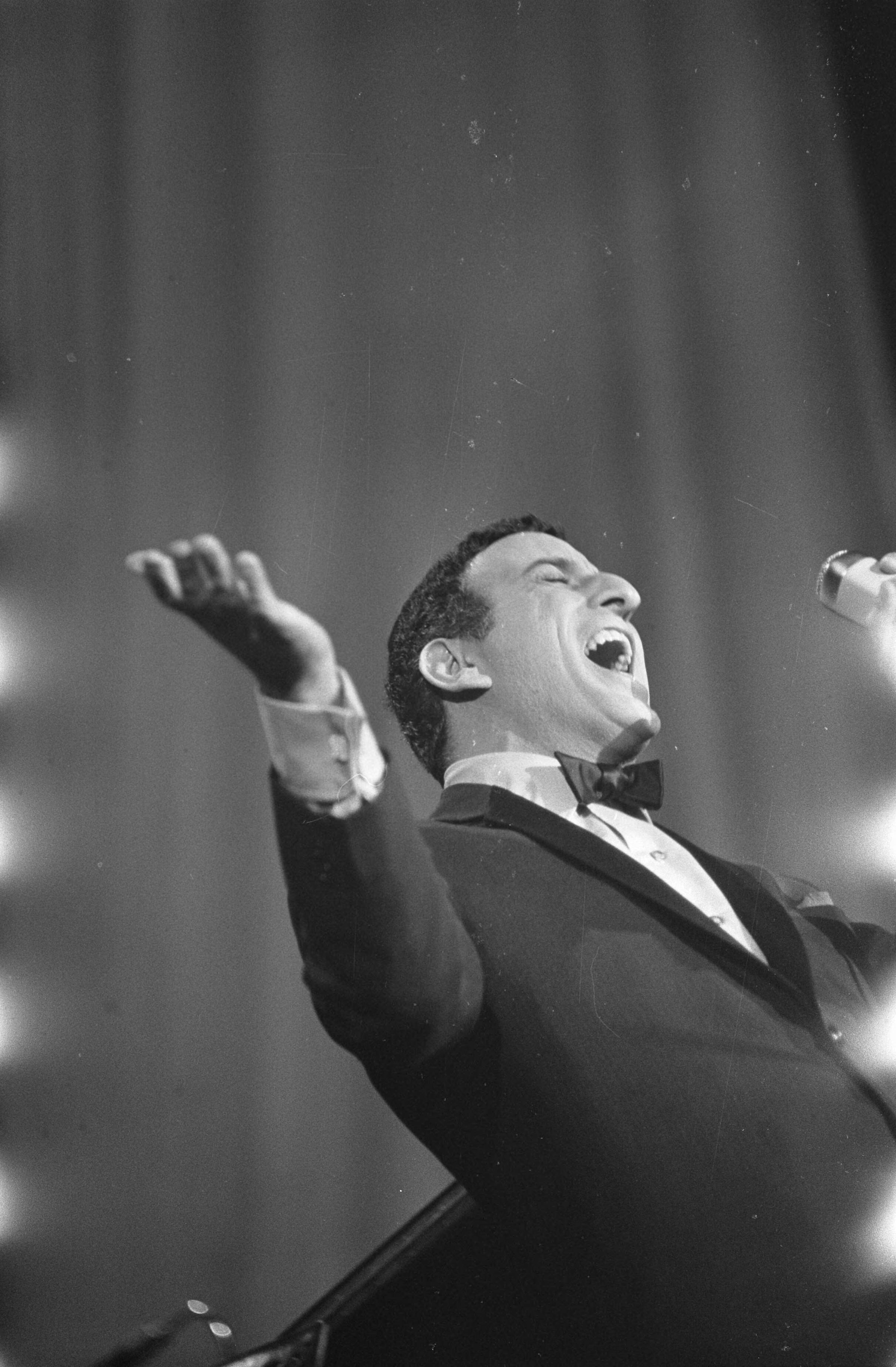
Born Anthony Benedetto in Queens, Tony Bennett was drafted into the Army during World War II. He served with the 63rd Infantry Division in France and Germany and participated in the liberation of the Kaufering concentration camp complex in April 1945. He later performed with Army musical groups in occupied Germany. Those experiences preceded the recordings and performances for which generations of listeners would know him. Remembering his service gives a fuller account of a life too often told only through music.
Source: U.S. Department of Veterans Affairs
Ernest Borgnine: A decade in the Navy

Before winning an Academy Award for Marty and starring in McHale's Navy, Ernest Borgnine served in the U.S. Navy for roughly a decade, with an interruption between enlistments. During World War II he served aboard USS Sylph, which supported antisubmarine operations. After his discharge, the GI Bill helped him study acting. His career is a vivid example of a veteran finding a new vocation after military life.
Source: Naval History and Heritage Command
Frank Capra: Serving through film
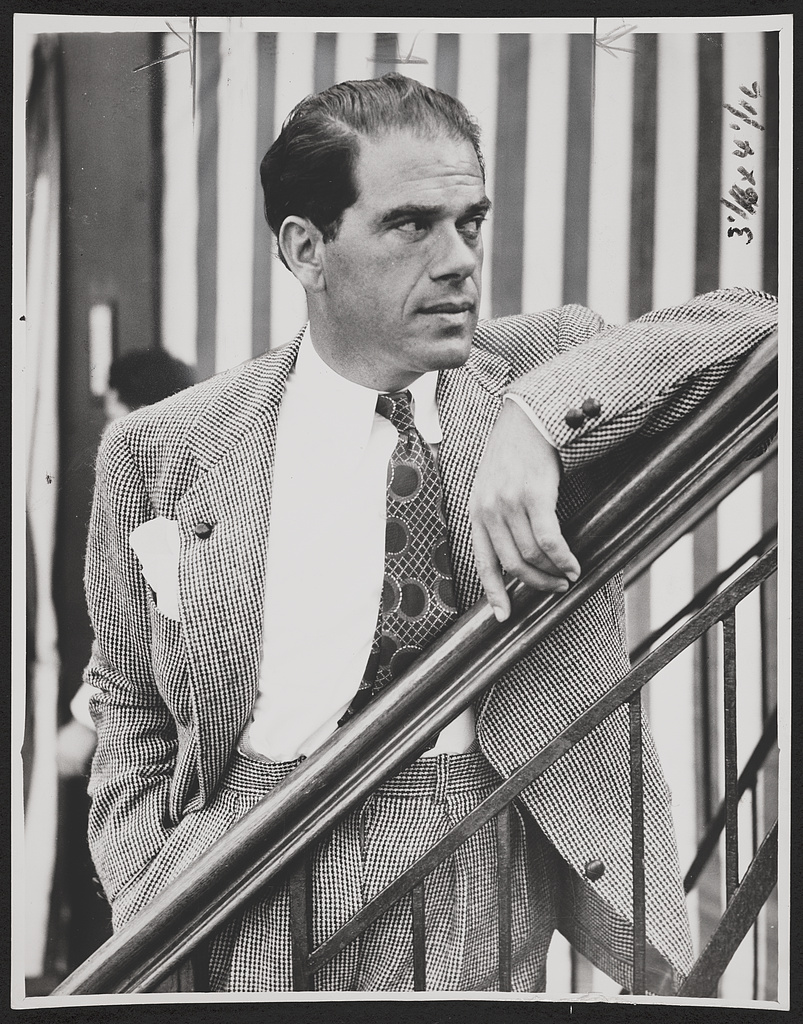
Frank Capra emigrated from Sicily as a child, served in the Army during World War I, and returned to military service during World War II. Already an established film director, he led work on the U.S. Army's seven-part Why We Fight documentary series, created to explain the conflict to servicemembers and the public. His military contribution involved the camera and editing room rather than the battlefield, reminding us that wartime service took many forms.
Source: U.S. Army Center of Military History
Alan Alda: Service before MASH*

Alan Alda later played Army surgeon Hawkeye Pierce on MASH*, but his connection to military life was not limited to television. He was commissioned through ROTC in 1956 and served as an Army Reserve artillery officer, including six months in South Korea after the Korean War armistice. In later interviews, Alda said the people he met in uniform helped inform his portrayal of military life on screen.
Source: U.S. Army Reserve · U.S. Department of Defense
Aviation and leadership across generations
Don Gentile: The fighter pilot from Ohio
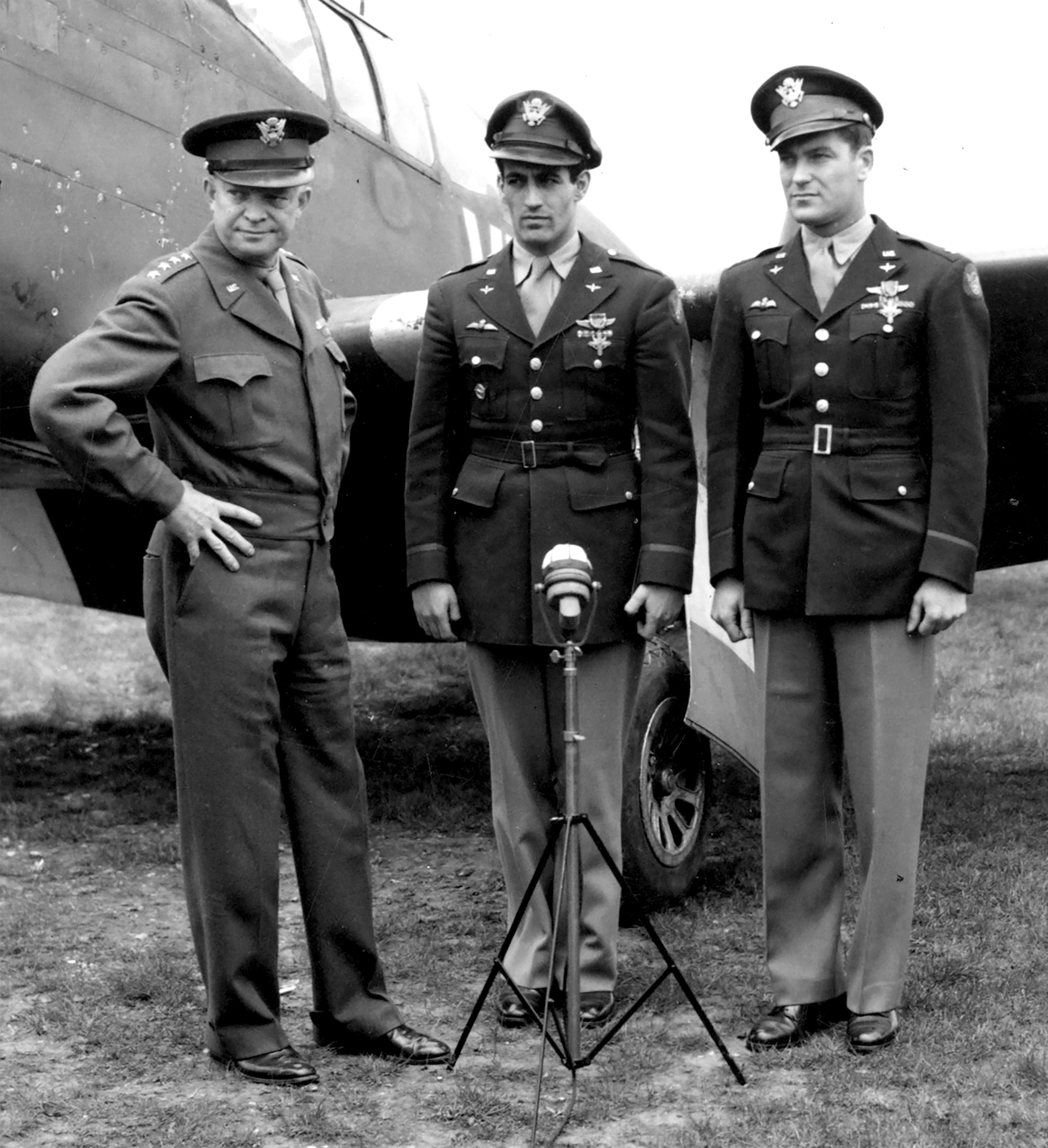
Dominic “Don” Gentile of Piqua, Ohio, volunteered for the Royal Air Force's Eagle Squadrons before joining the U.S. Army Air Forces during World War II. He became one of America's notable fighter aces in Europe and received the Distinguished Service Cross. He later served as a test pilot and died in a 1951 aircraft accident. The National Museum of the U.S. Air Force preserves his aviation story and artifacts.
Source: National Museum of the U.S. Air Force
Peter Pace: A Marine at the highest levels of service
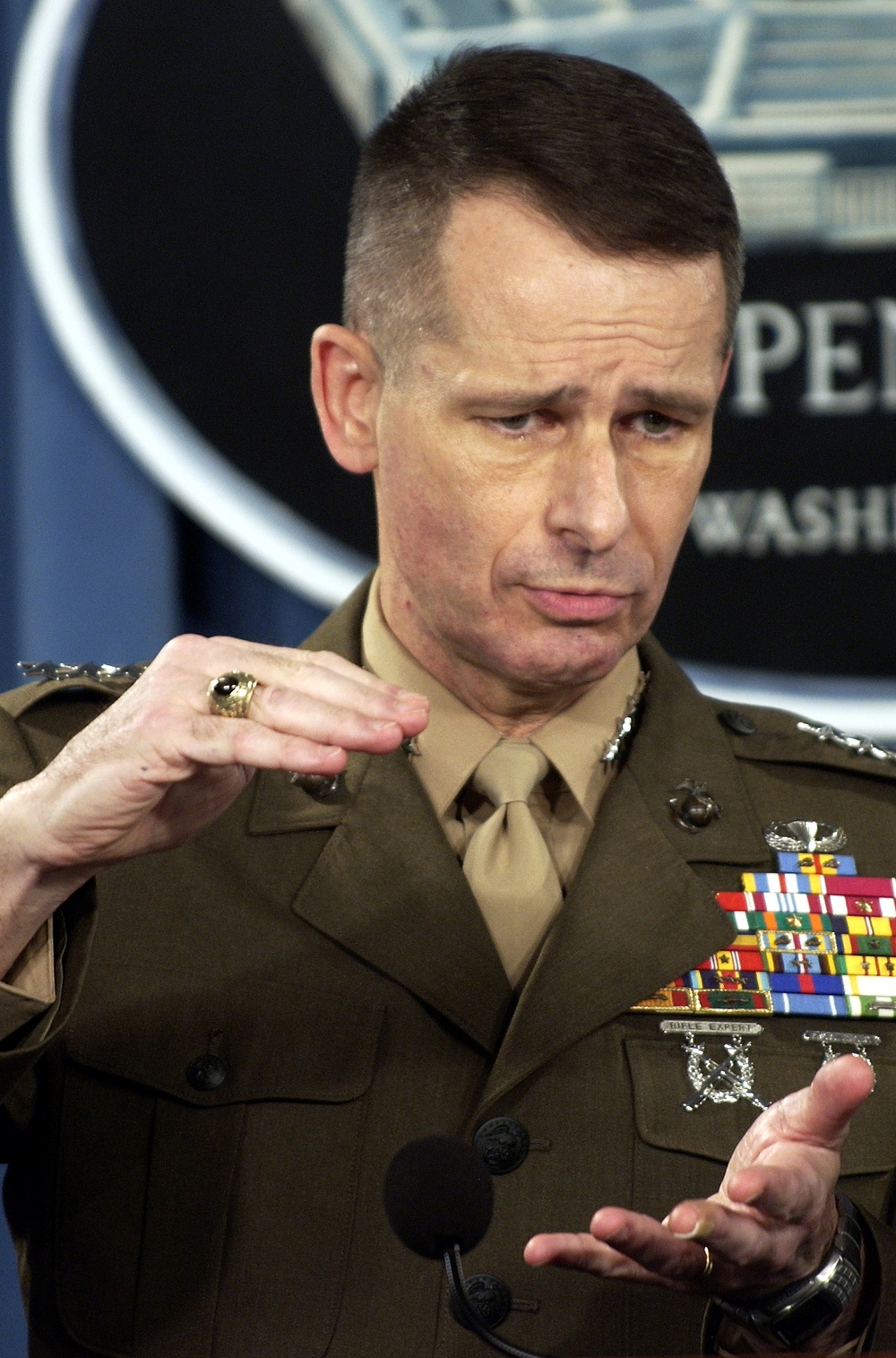
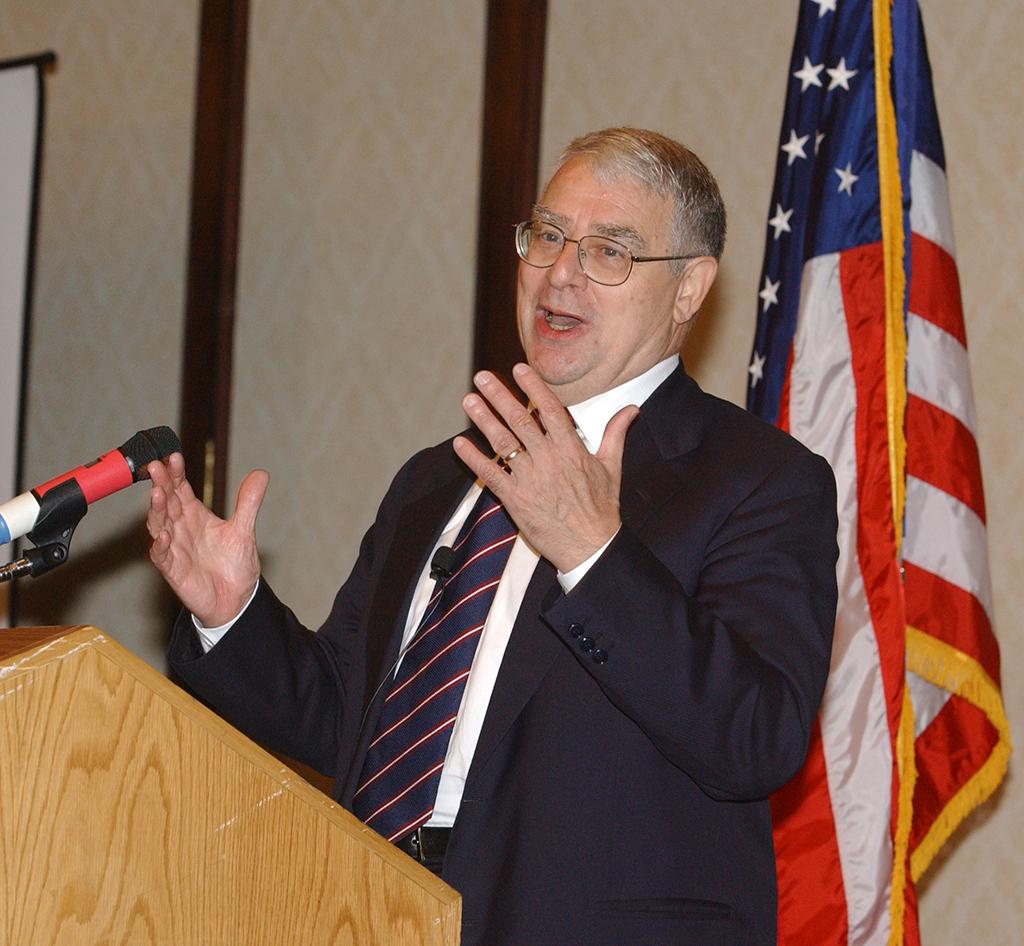
Peter Pace, the son of an Italian immigrant, served as a Marine infantry officer in Vietnam and built a career that culminated in his selection as the first Marine to serve as Chairman of the Joint Chiefs of Staff, from 2005 to 2007. His life connects a later generation of service to the history of Italian American families pursuing opportunity and duty in the United States.
The stories still waiting to be told
These eleven lives are part of a much larger history. For every decorated veteran, there were many who served without public recognition: people who came home and went to work, built families, supported their neighbors, and rarely spoke about their service. Veterans Day is a chance to recognize them, too.
If a veteran is part of your family or community, consider asking a question while you still can: What would you want a younger generation to understand about your time in service? Give them time to answer in their own words. With their permission, preserve a photograph, letter, or recording—and include the dates, places, and people that give it context.
The Alghini Institute's Heritage Story Recorder provides one way to begin saving these histories. You can also explore our Notable Italian Americans Directory, where profiles are updated as historical records are verified.
To everyone who has served: thank you. And to the families who preserve their stories, thank you for helping future generations remember.
Editorial note: This feature highlights documented individuals already represented in the Institute's directory. It is neither a complete roll of honor nor a ranking. Biographical corrections and image-rights review will be completed before publication.