A mouse gene, an X-ray detector, a signal between cells and a microprocessor seem to belong to different worlds. Looking closely at how they were studied reveals a shared question: what evidence would make an idea convincing?
Ahead of World Science Day for Peace and Development on November 10, these four Italian American careers offer an introduction to the work behind familiar scientific honors. The observance is an editorial connection, with no claim that the people featured participated in it or represented UNESCO.
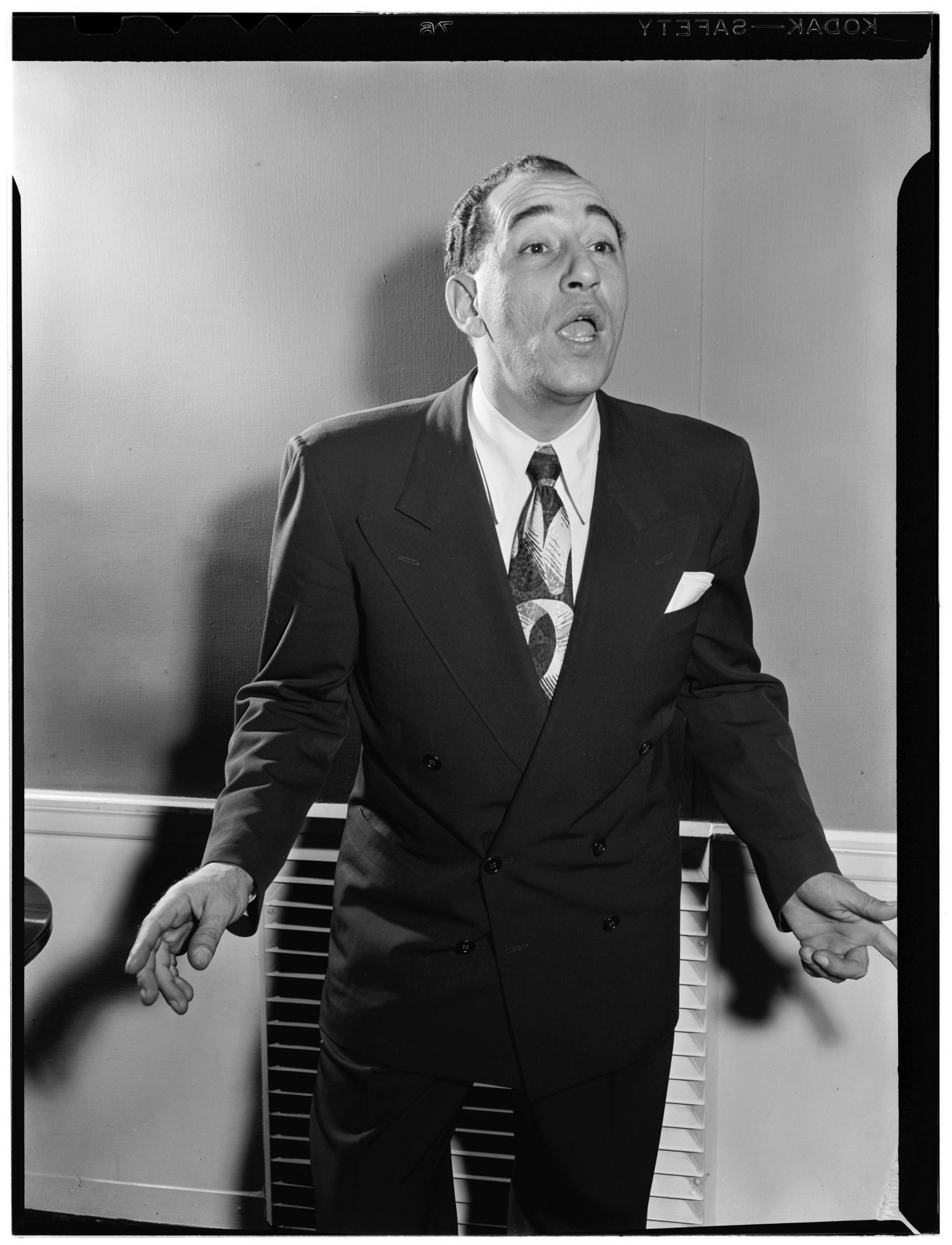
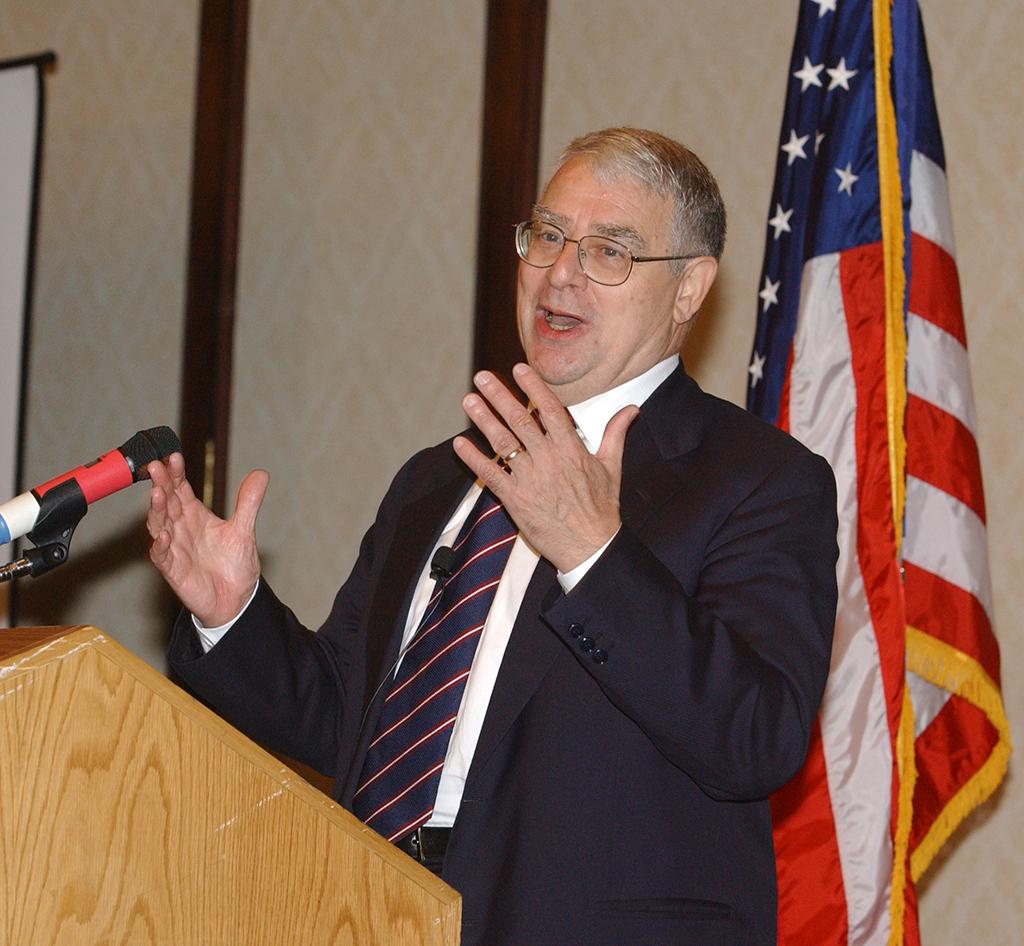
Hero photograph: Riccardo Giacconi speaking at a Chandra symposium in 2003. NASA/Marshall Space Flight Center, via Chandra X-ray Center. The complete supplied frame is preserved.
Mario Capecchi: changing a gene to ask a question
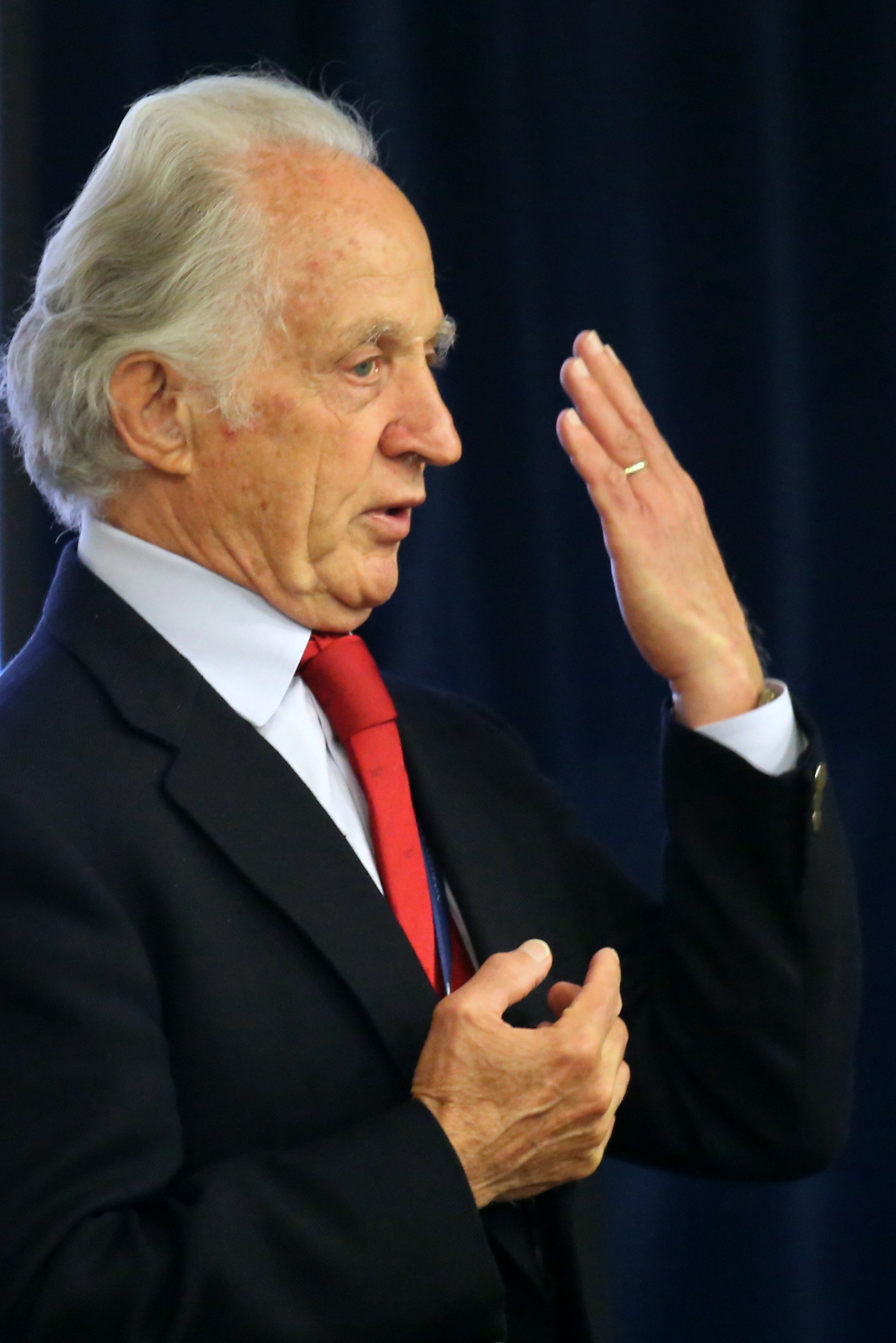
Mario Capecchi helped develop gene targeting in mice: a way to make a specific genetic alteration and investigate its consequences. He shared the 2007 Nobel Prize in Physiology or Medicine with Martin J. Evans and Oliver Smithies. Their contributions brought together work on embryonic stem cells and DNA recombination; the achievement belongs to a wider research community as well as the three laureates. (University of Utah announcement, Nobel scientific background)
A 1987 paper by Kirk R. Thomas and Capecchi makes the work more concrete. Its abstract describes targeting the HPRT gene in mouse embryo-derived stem cells. This was a particular experiment with a named gene and cell system, rather than a general promise to repair human disease. Reading the authors and methods restores some of the detail lost in a phrase such as “Nobel-winning discovery.”
Capecchi was born in Verona in 1937. His autobiography identifies his father as Luciano Capecchi, an Italian Air Force officer, and describes German and American connections on his mother's side. His life illustrates the overlapping family histories within the Italian American community.
Riccardo Giacconi: building a way to see
Born in Genoa and educated in Milan, Riccardo Giacconi moved to the United States in 1956 with a Fulbright scholarship. At American Science and Engineering, he pursued an astronomy program using X-ray instruments. His career connects migration, experimental skill and institutions willing to build new equipment. (ESO biography)
The 1962 paper by Giacconi, Herbert Gursky, Frank R. Paolini and Bruno B. Rossi reported X-rays from beyond the solar system. A memoir by Giacconi's colleagues describes the rocket flight that detected a strong source in the direction of Scorpius, known as Scorpius X-1, alongside an X-ray background. The instrumentation made observations possible that an ordinary view of the night sky could not supply. (National Academy of Sciences memoir)
Giacconi later helped develop major space-observatory programs and received a share of the 2002 Nobel Prize in Physics for contributions leading to the discovery of cosmic X-ray sources. He did not discover X-rays themselves, and the original paper's four names are a useful reminder of collaboration. (ESO)
Louis Ignarro: identifying a signal
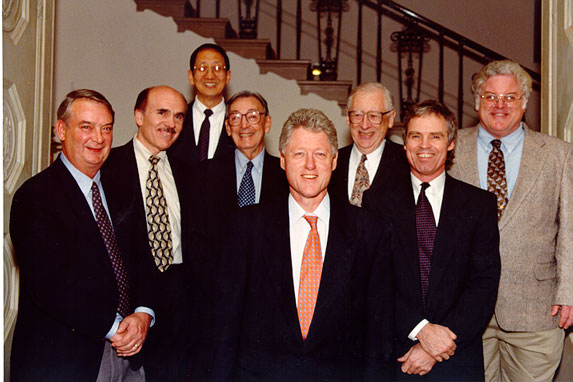
Louis J. Ignarro shared the 1998 Nobel Prize in Physiology or Medicine with Robert F. Furchgott and Ferid Murad for research on nitric oxide as a signal in the cardiovascular system. Naming all three matters: the award recognized connected discoveries, rather than a single person's isolated achievement. (Nobel award record)
In a 1987 paper, Ignarro, G. M. Buga, K. S. Wood, R. E. Byrns and G. Chaudhuri compared a substance released by blood-vessel lining cells with nitric oxide. Their experiments examined biological and chemical properties to identify the substance known as endothelium-derived relaxing factor. The question was how cells communicated, and the evidence came from comparisons that others could examine.
The family story has its own record. Reporting his 2002 commencement address, UCLA's Graduate Quarterly described his parents as immigrants from Italy who encouraged his education. This biographical account gives context to the researcher; it does not establish that ancestry explains an experimental result. Nor does an account of nitric oxide research provide advice about medicines or supplements.
Federico Faggin: from a design to a working chip
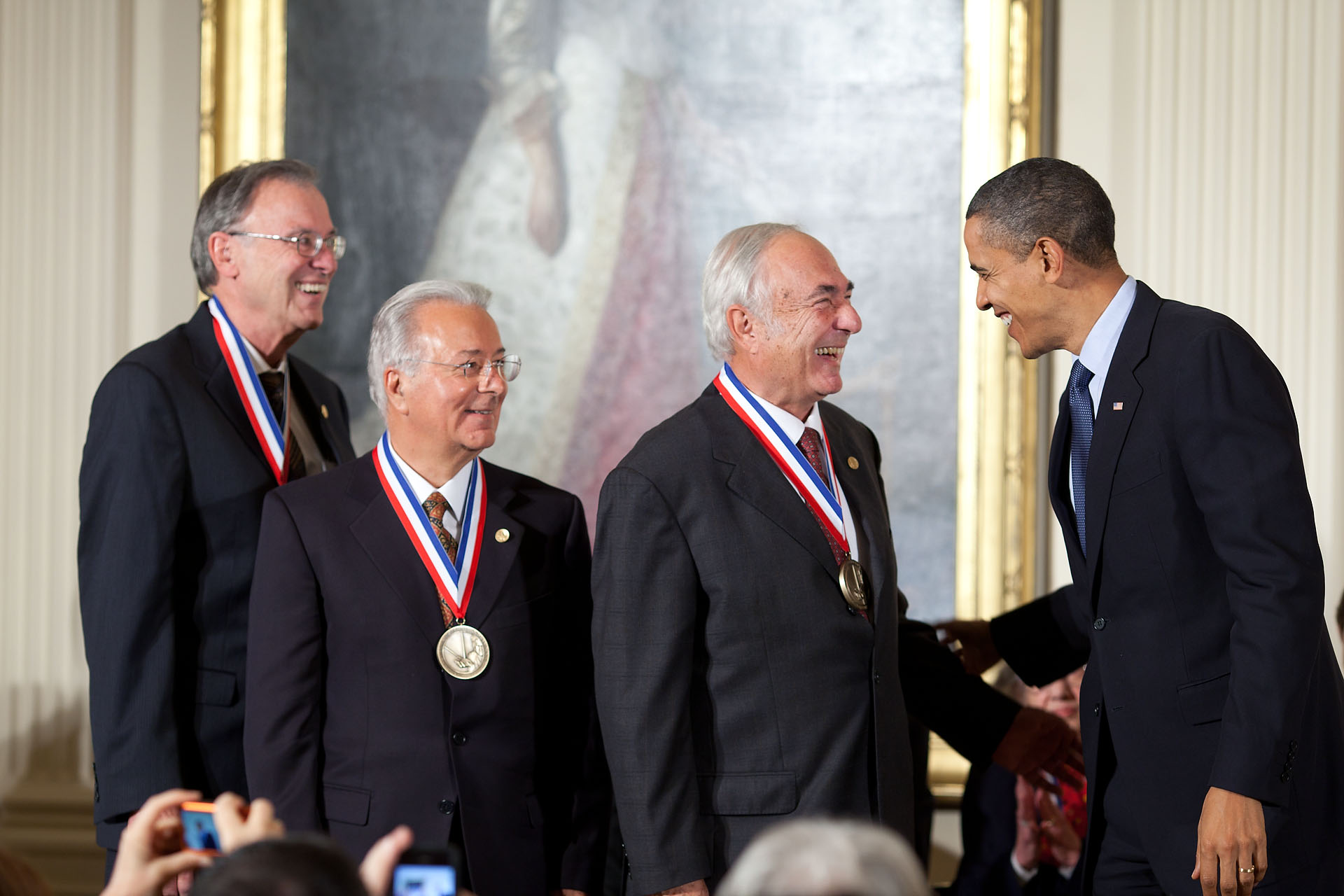
Federico Faggin was born in Vicenza in 1941 and moved to California in 1968. In his Computer History Museum oral history, he recalls growing up in Italy with parents who taught and an early fascination with building model airplanes. The recollection offers a personal route into an engineering career.
At Intel, Faggin led chip-design implementation for the MCS-4 family, working with Masatoshi Shima. The museum's history credits Ted Hoff and Stanley Mazor with conceiving the 4004 CPU design and Faggin, assisted by Shima, with its silicon-gate implementation. These were different contributions to a working system. (CHM Fellow biography, CHM microprocessor history)
The museum describes the Intel 4004 as the first commercial microprocessor. That concise label is a starting point for learning, not a reason to erase its collaborators. An engineering achievement becomes more interesting when we ask who conceived the architecture, designed the circuits and made the device work.
Try following one claim back to its source
Choose the Thomas–Capecchi or Ignarro paper linked above. Make four notes: the question, the method, the reported observation and the conclusion. Record the authors and publication year beside them. Use the abstract to begin; mark technical terms you cannot yet explain.
Then compare your notes with the corresponding Nobel account. What does the short award description leave out? Which colleagues become visible in the paper? Keep an unanswered question alongside what you learned.
A published paper opens a result to examination; peer review does not make every conclusion permanent. Looking for methods, collaborators and limits gives a family conversation, classroom discussion or museum visit something more useful than a list of famous names.
Explore more Notable Italian Americans, and send a passage with supporting evidence through our corrections contact if you find a factual problem.
This is a historical introduction to scientific and engineering work. It offers no medical or treatment advice. Sources distinguish first-person recollection, institutional biography and original-paper records.