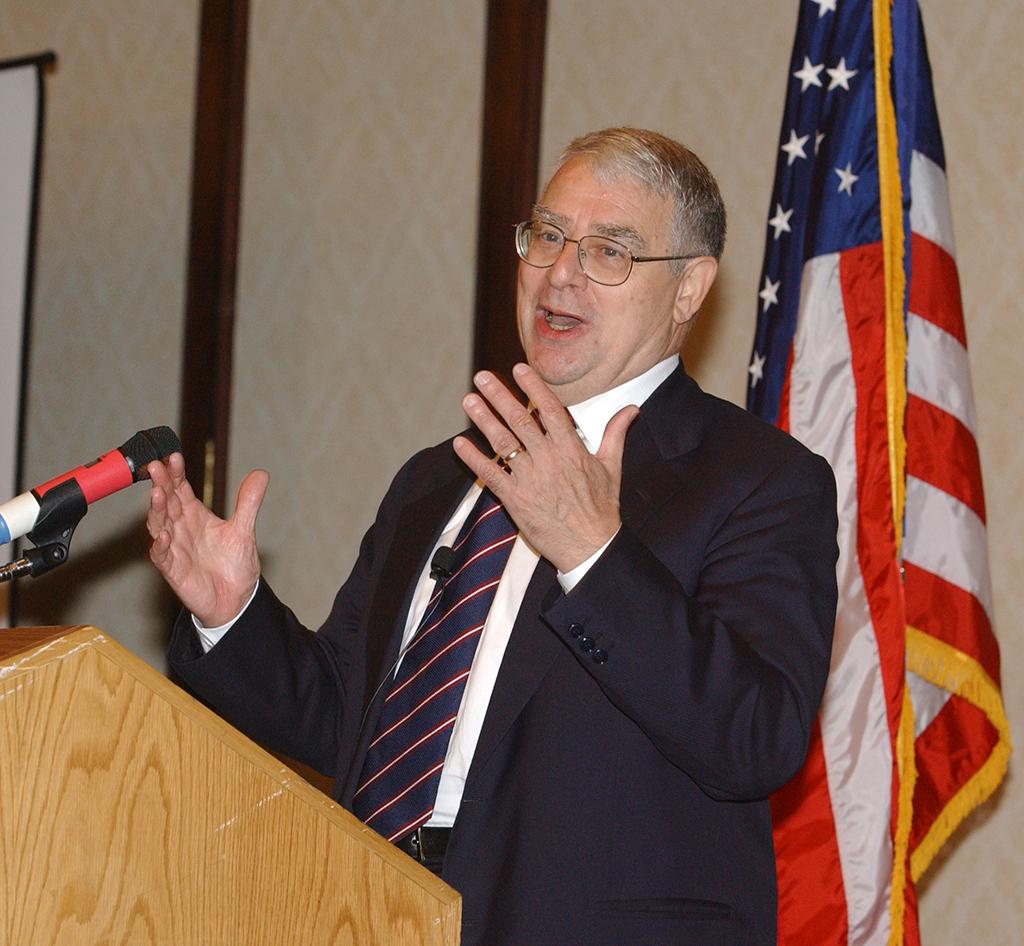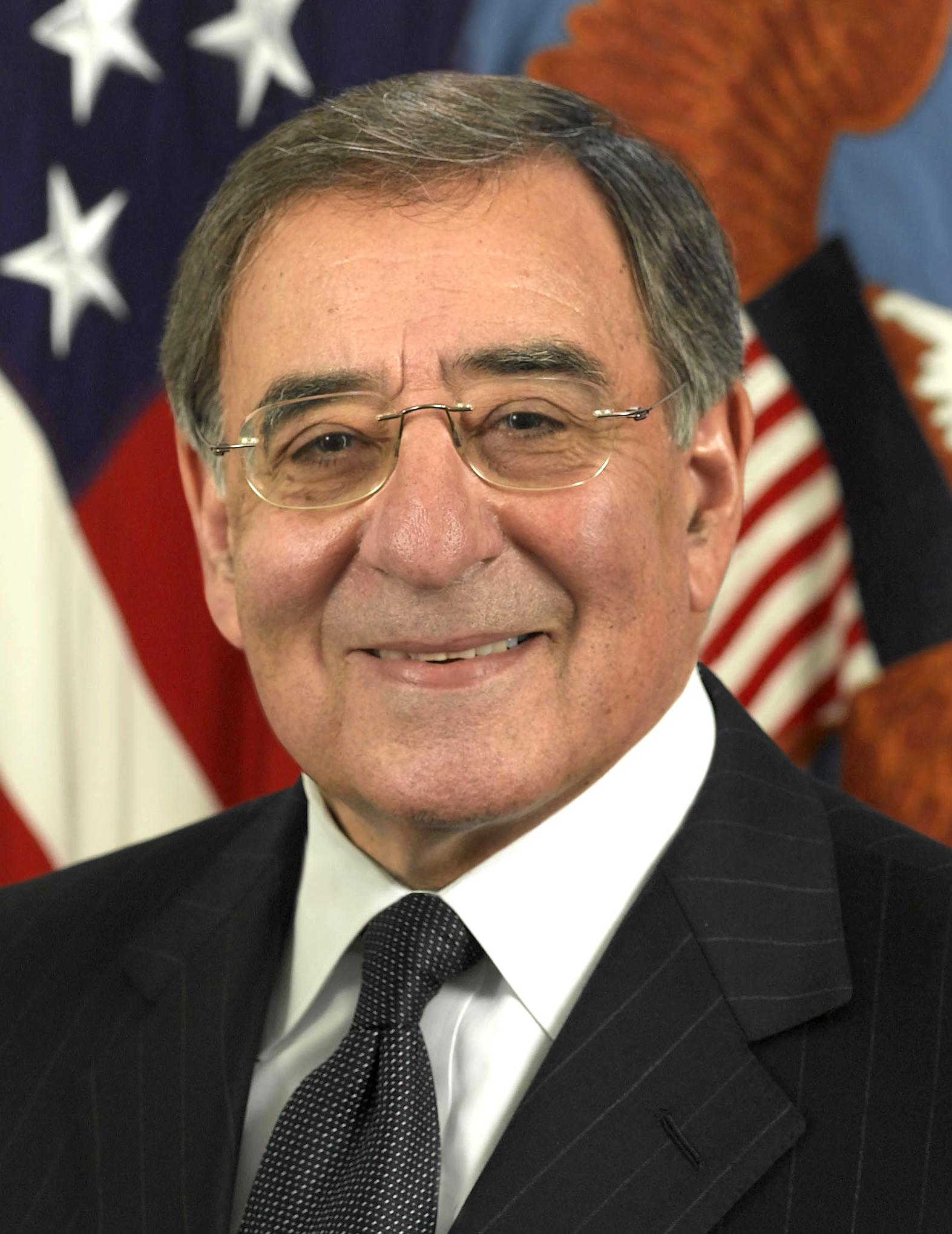
October 24 is United Nations Day, marking the day the UN Charter entered into force in 1945. The date offers a moment to consider how people serve the public through local, state and federal institutions. The four Italian Americans here had different careers and lived in different eras; none is presented as affiliated with the United Nations. (United Nations)
John Volpe: from Massachusetts government to diplomacy
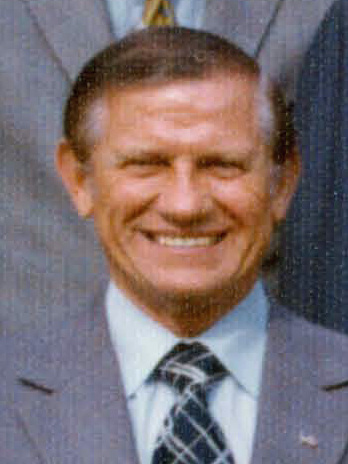
John Anthony Volpe, the Wakefield-born son of Italian immigrants, served Massachusetts as governor in two non-consecutive periods. He won elections in 1960, 1964 and 1966, then served as U.S. Secretary of Transportation from 1969 to 1973 and Ambassador to Italy from 1973 to 1977. His path connected state government, a newly created federal department, and diplomacy. See Volpe's directory entry. (Massachusetts government, National Governors Association, State Department history)
Peter W. Rodino Jr.: constitutional process and public trust
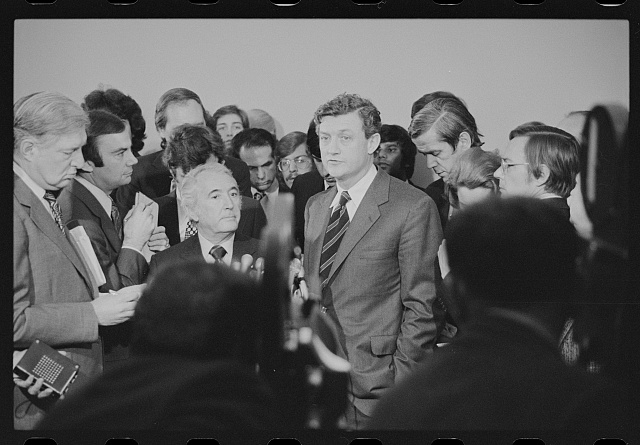
Newark-born Peter W. Rodino Jr., the son of Italian immigrants, represented New Jersey in the U.S. House from 1949 to 1989. As Judiciary Committee chair during the Nixon impeachment inquiry, he guided a consequential constitutional process. Before Congress, he served in the Army in North Africa and Italy during World War II. Rodino’s record shows how committee work, careful procedure and public scrutiny can shape national events. Read his directory entry. (Rutgers University, U.S. House History, Art & Archives)
Rosa DeLauro: representation and appropriations
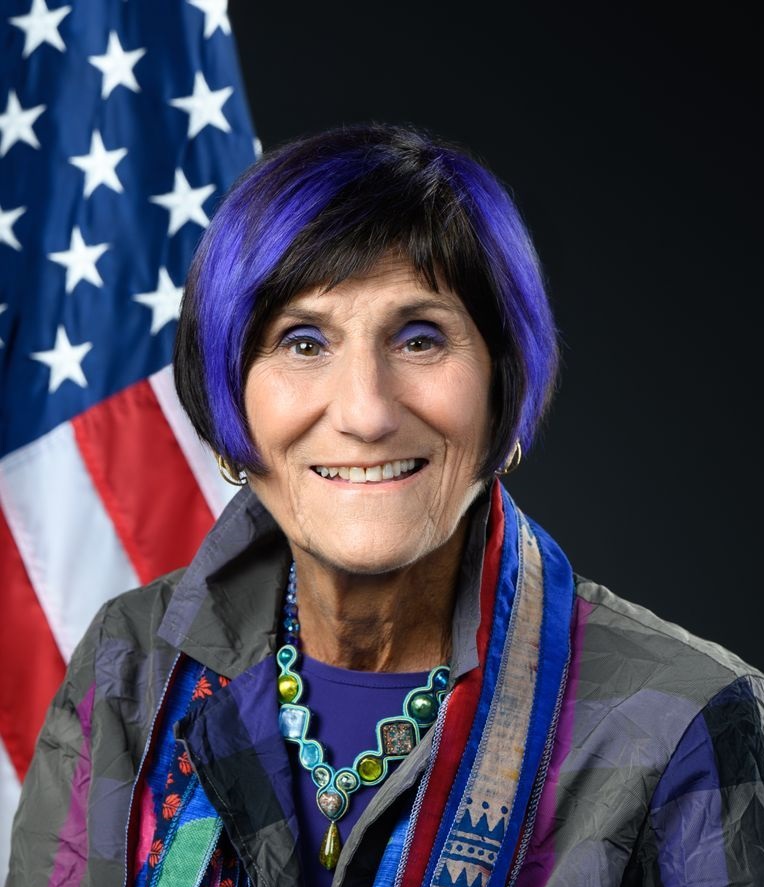
Rosa DeLauro grew up in an Italian-American family and is the daughter of an Italian immigrant. First elected in 1990, she has represented Connecticut’s third congressional district since 1991. She chaired the House Appropriations Committee during the 117th Congress. Appropriations work shapes how Congress directs public funds, linking individual constituent concerns to federal programs. Explore DeLauro’s directory entry. (Connecticut Women’s Hall of Fame, U.S. House History, Art & Archives)
Leon Panetta: public service across branches
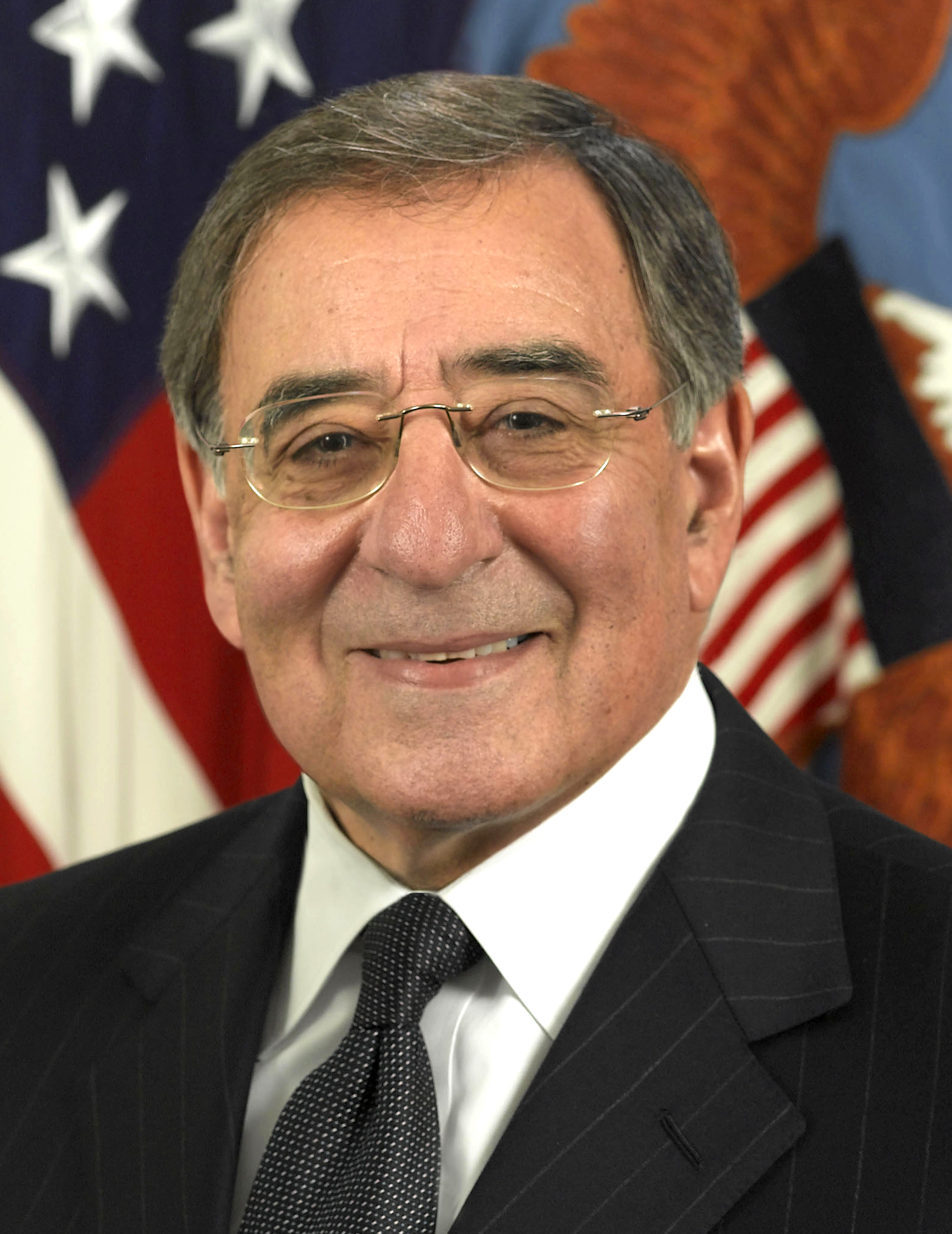
Leon Panetta, born in Monterey to Italian immigrant parents, served in the House, led the Office of Management and Budget, directed the CIA, and served as Secretary of Defense from 2011 to 2013. In those roles he worked across legislative and executive institutions. In 1997, Leon and Sylvia Panetta founded the Panetta Institute for Public Policy, which offers programs in government, politics and public policy. Learn more in Panetta’s directory entry. (Department of Defense Historical Office, Miller Center oral history, U.S. House History, Art & Archives)
Different offices, a shared civic question
These careers are not interchangeable: one includes state administration and diplomacy, one congressional oversight, one representation and budget work, and one service across several federal institutions. Together they invite a practical question for readers: which public records help us understand a leader’s choices and the people those choices affected?
Start with the official House biographies and historical collections, compare dates across institutional records, and follow the source links above. Then explore the Italian American history guide for wider context.
Sources and image credits
The institutional biographies linked in each section support the dates, offices, and ancestry wording. The UN page supports the October 24 observance. The photographs carry item-specific source, creator and public-domain credits. Volpe is shown in an existing crop from a cabinet group photograph; Rodino appears with John Doar and reporters in a complete press-conference frame. The new Rodino photograph replaces the earlier painted portrait. No new crop or image alteration was made.