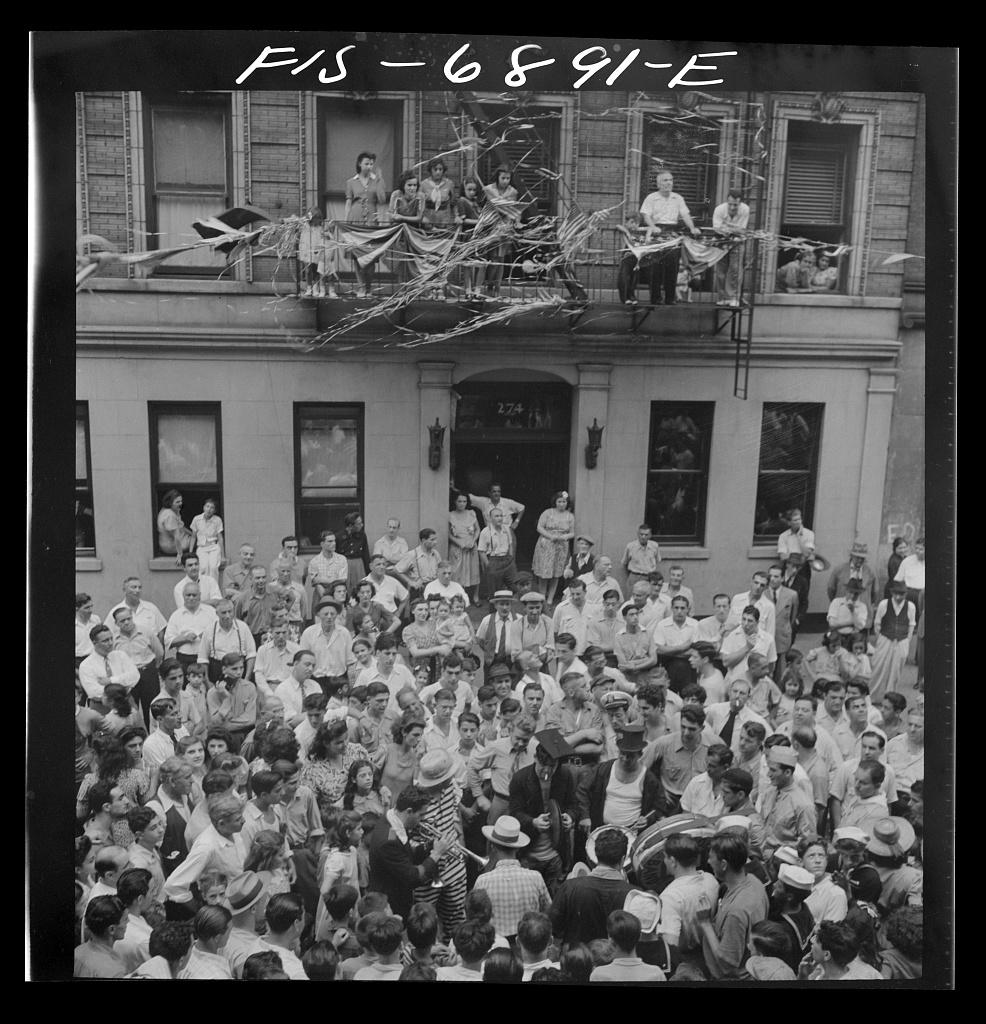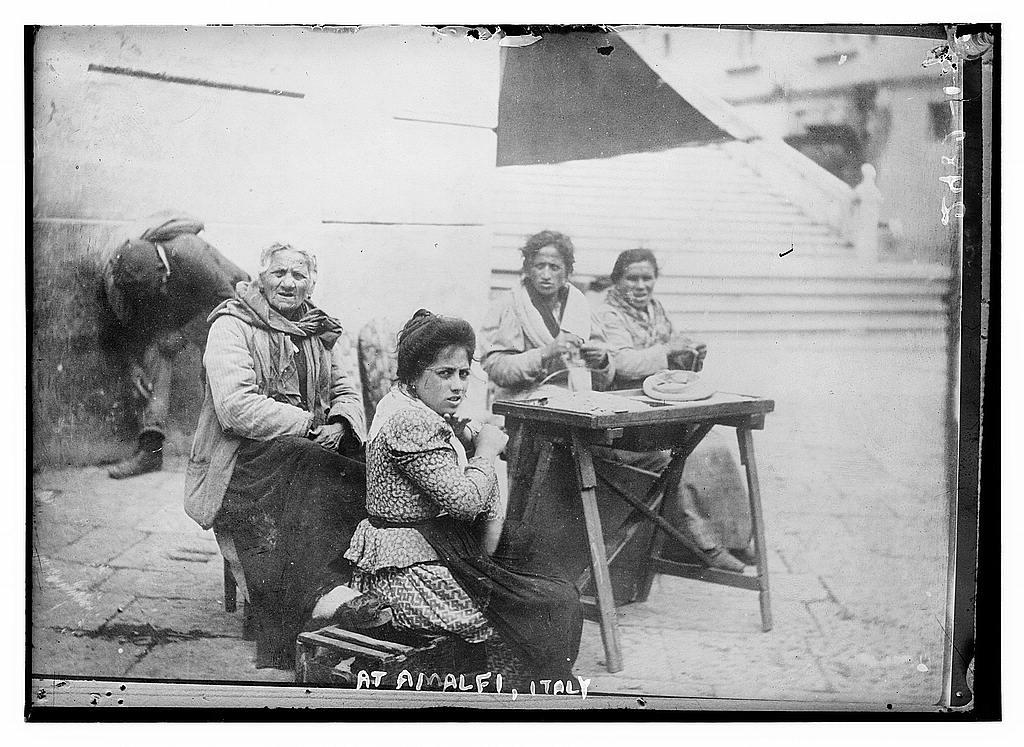
The Feast of the Seven Fishes is an Italian-American Christmas Eve seafood tradition, often associated with La Vigilia, the Christmas vigil. Its name suggests a fixed menu, but the meals people remember are much less uniform. There is no authoritative list of seven dishes that every household must serve. Denver Public Library's research and family accounts describe different menus and families that do not observe a seafood dinner at all.
If you are planning your first dinner, begin with the people coming to your table. Find out what they remember, choose a manageable meal and save the story alongside the menu. You can carry a family custom forward without turning Christmas Eve into an endurance test.
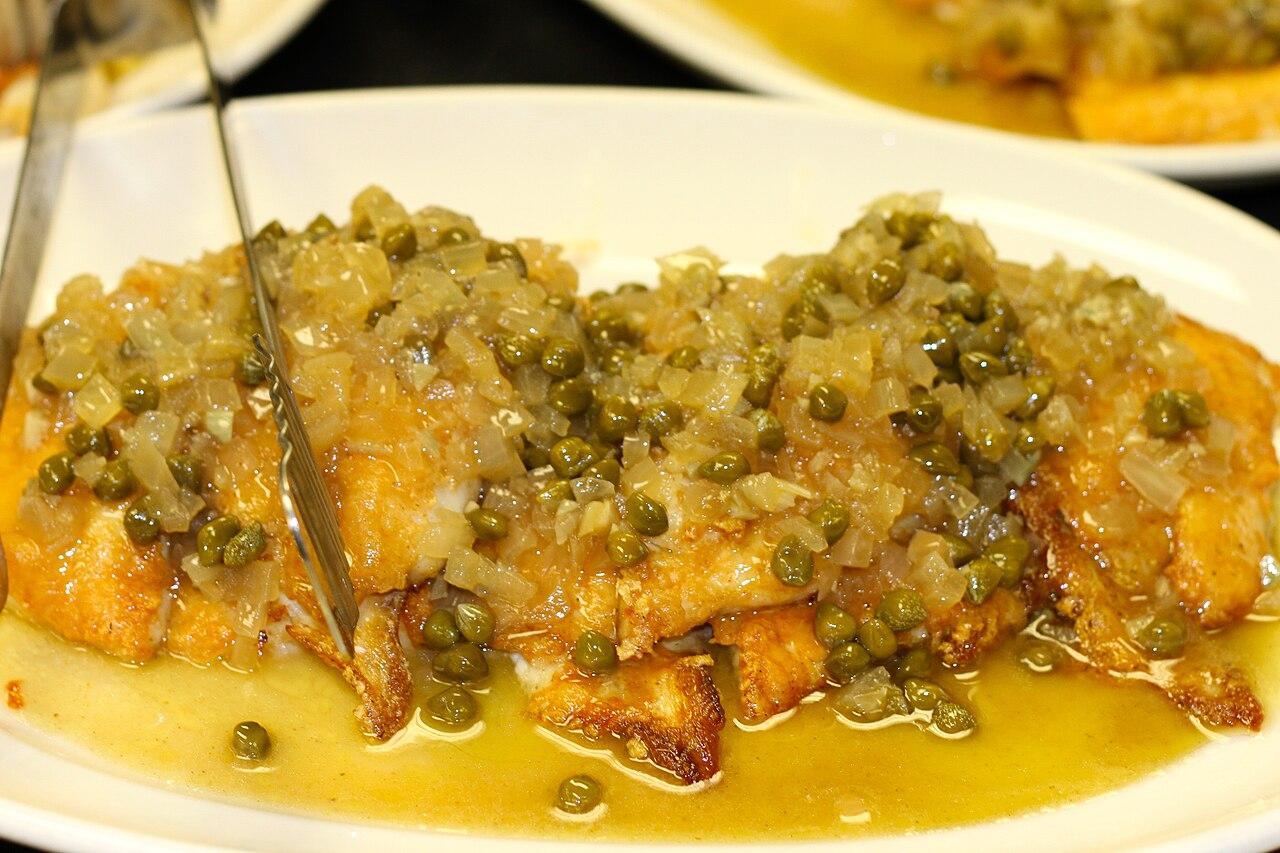
Photo: Feast of the Seven Fishes 7 by GW Fins, CC BY 2.0, via Wikimedia Commons. The source identifies a family-style flounder dish from its 2011 photo series. Wikimedia resized the photograph; no other changes were made for this guide. This restaurant example is not a prescribed family menu or an Institute-tested recipe.
What does the number seven mean?
Religious explanations for seven circulate widely, including a connection with the seven sacraments. The library's account discusses such theories without identifying a settled origin. Treat a family's explanation as a family belief unless a historical source establishes something more specific. Read the library's discussion.
That distinction can improve a holiday conversation. Ask, “What did seven mean in our house?” Someone may remember counting dishes, while another remembers counting kinds of seafood. Record both recollections, with each speaker's name and the date. A disagreement can reveal how the custom changed between households or generations.
You do not need to resolve the national history of the name before preparing dinner. You do need to be clear about the story you are telling: “Our family explained it this way” preserves a memory without presenting it as everyone's history.
A religious tradition and a family meal
Meatless vigil meals have a Catholic context, but inherited food customs and present religious obligations are separate questions. In their 1966 statement on penance and abstinence, the U.S. bishops stated that vigils no longer imposed an obligation to fast and abstain, while encouraging voluntary preparation for feast days.
This explains why a remembered practice should not automatically become a rule for every guest. Families may approach the dinner through faith, affection for relatives, enjoyment of seafood or several of these together. Anyone seeking guidance about their own religious observance can consult their parish; a family menu cannot establish it.
Which seafood belongs on the table?
Published accounts offer examples rather than a compulsory shopping list. In a 2018 ITALY Magazine interview, Maria Marino of the Italian American Museum of Los Angeles described her family's dishes, including salted cod, fried calamari, seafood salad, mussels and pasta with clams. Her account also emphasized preparing food together.
Use that kind of account as an invitation to ask about your own household. Which dish would someone miss most? Who prepared it? Was it homemade, bought from a market or brought by a relative? Was the name on the recipe card different from the name people used aloud?
For the wider setting, explore our Italian-American food history guide. This dinner can become one specific chapter in your family's food story.
Help keep this work free
Help another family find its story.
A gift to the Alghini Institute supports free Italian American stories, research, and family-history resources.
Support family-history resourcesPlan a first dinner in five steps
1. Ask before choosing the menu. Confirm the guest count, food preferences, allergies and whether anyone has a dish they would like to bring. Ask which part of Christmas Eve matters most to them: a particular food, a shared preparation task, a prayer or time together.
2. Choose the scale you can manage. A first dinner can be a small gathering with a few dishes. If seven is important to your household, decide together what you will count. Write that decision on the menu so the cook is not trying to meet several different expectations.
3. Keep one remembered dish at the center. Choose an established family recipe or a complete recipe from a reliable cooking source. Read its equipment, shopping and preparation requirements before adding more dishes. When no family recipe survives, say so; choosing something new is a useful beginning.
4. Assign each task to a person. List who buys ingredients, who prepares each dish, who brings bread or dessert and who helps clear the table. Check how many dishes need the oven or stove at the same time. Follow each recipe's preparation and storage instructions rather than assuming everything can be made ahead.
5. Make a written run of the evening. Start with the intended dinner time and work backward through the recipes. Leave room for guests to arrive and for the cooks to sit down. This is a planning framework, not a tested menu or a substitute for seafood cooking instructions.
Save more than the shopping list
Before the evening ends, photograph the menu and ask permission to record a short conversation. Useful questions include: “Who taught you this dish?”, “What changed after the family moved?” and “What did we call this dinner when you were young?”
Keep memories, documents and your own observations distinct. A recipe card may establish wording and ingredients; it does not by itself establish who invented the dish. Label a newly chosen menu with this year's date so a later reader can recognize the beginning of a new practice.
The free Family History Starter Kit can help organize the people, places, questions and source notes. Keep a copy with the menu. Next Christmas, you will have both something to cook and something specific to talk about.
For other occasions throughout the year, see our Italian-American holidays and festivals calendar.